Museum de Fundatie manages a large and diverse collection of art. That comes with a responsibility. Not just to look after the art, but also to ask the question: where does this art actually come from?"
where does a work of art come from?
With an art collection comes not only the question: what do we see? But also: where did this work of art come from? This is why Museum de Fundatie conducts research into the provenance of artworks. We want to know who the former owners were and how a work of art ended up in the collection. This gives us more insight into the history of our collection. We also want to deal carefully with difficult questions about ownership, loss and return.
We, as Museum de Fundatie, recognise the painful history of some artworks and how they came to be in our collection. This can bring with it a great sense of loss. From this commitment, we want to offer as much transparency as possible about how we conduct research and what the outcomes are.
looted art in museums
During World War II, many works of art were looted. This started as early as 1933, when the National Socialists came to power in Germany. Jewish people were persecuted and their possessions taken away. Sometimes artworks were stolen. Sometimes people had to sell their art under duress, for example to escape or survive.
This happened in Germany, but also in countries occupied by Germany, such as the Netherlands. Through art dealers, auctions or individuals, looted artworks could later end up in museums. Even after the war, museums bought artworks whose history was not always clear. That is why it is important to research that history.
In addition, many artworks and objects from countries outside Europe were taken to European countries during the colonial period. The origins of these too are not always clear. For a long time, less attention was paid to this, especially in art museums. Nowadays, museums are jointly researching this. Museum de Fundatie has joined this effort.

Hannema-de Stuers Foundation collection
Museum de Fundatie manages two special collections. Both collections have their own history. The first collection is the collection of the Hannema-de Stuers Fundatie Foundation. This collection goes back to the collection of Dirk Hannema, the art collector who founded Museum de Fundatie.
Between 2009 and 2012, Museum de Fundatie did extensive research into this collection. This was done within the Dutch Museum Association's national project Museum Acquisitions 1933-present. This project involved 162 Dutch museums. This research looked at works of art made before 1945 and acquired by the museum after 1933. The aim was to investigate whether there are works in the collection that were involuntarily relinquished by their owner during the Nazi regime. This is also known as forced loss of possession.
During the war years, when Dirk Hannema was director of Museum Boijmans, he worked closely with the occupiers. Between 1943-1945, for instance, he acted as the Museum's agent for the NSB. During the war years, he also maintained contact with dealers who played a questionable role in the art trade. However, there are no indications that Hannema directly expanded his collection with objects from stolen Jewish property.
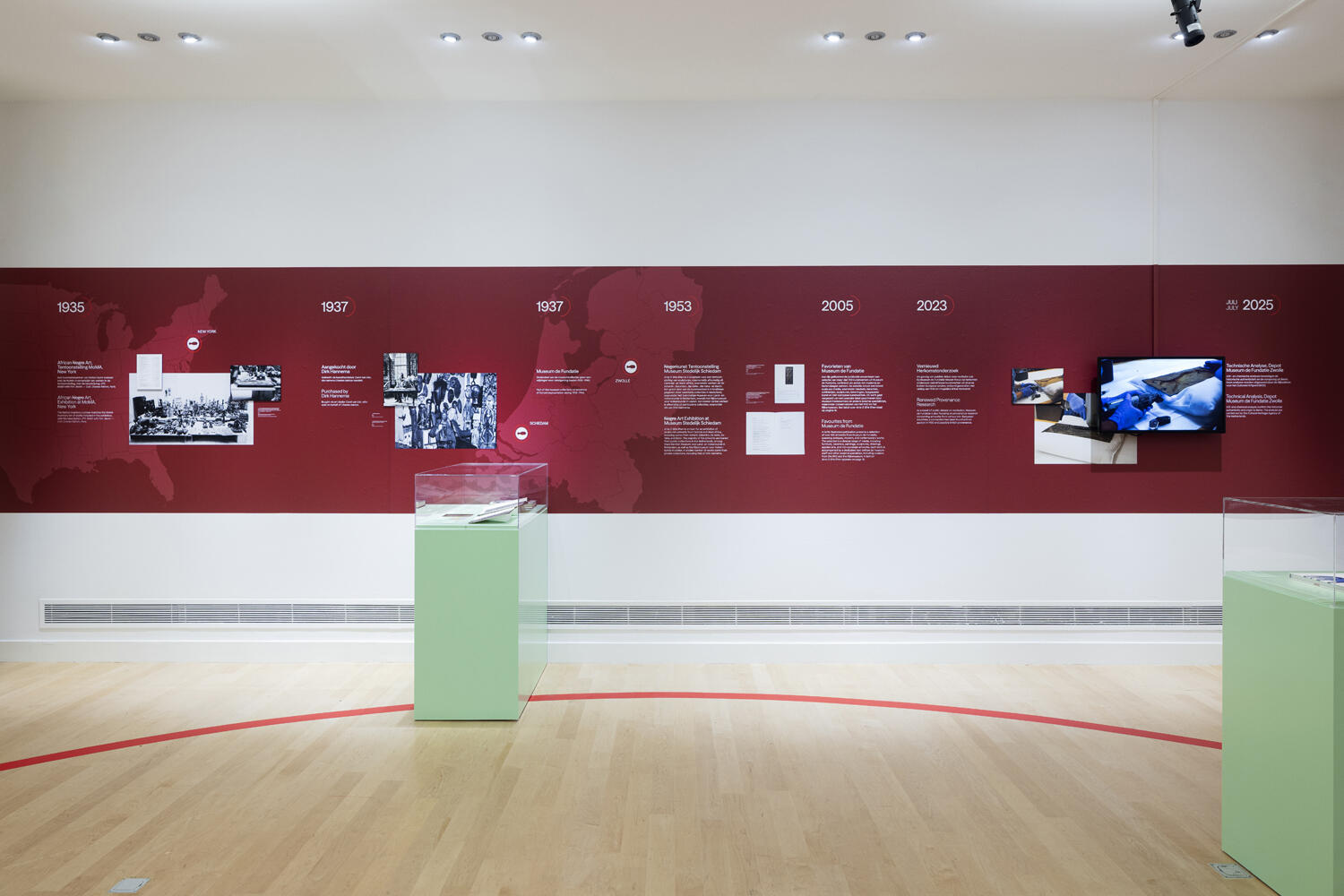
The research is not yet complete. The ownership history of many objects is not yet fully known. For about 977 objects made before 1945, it is not clear from whom exactly they were acquired. The provenance of objects from Africa, Asia and Latin America is also not always clear. Many of these objects were once collected by Dirk Hannema. Therefore, further research remains necessary. In 2025, following provenance research, Museum de Fundatie returned a bronze plate from the former kingdom of Benin.
Province of Overijssel collection
Museum de Fundatie also manages over 5,000 works of art from the Province of Overijssel. Important parts of this are the collection of about 250 paintings, watercolours and drawings by Jan Voerman sr. and the collection of modern art from the period 1900-1965 by Paul Citroen.
This provincial collection has also been investigated. So far, no problematic works have been found. Many sources have been looked at for this research. These include old inventory cards, cashbooks, artists' files, archives and publications. The provenance of not all works in Paul Citroen's collection is completely conclusive. But there are currently no indications that the history is problematic. Citroen often bought works directly from artists or bartered with them. He kept track of his purchases in cash books.
The Jan Voerman collection was largely bought from collector Henk van Ulsen. He often bought the works from private individuals, Voerman's heirs or at auctions. For some works, it is not known from whom exactly Van Ulsen bought them. Therefore, research into the provincial collection also continues.
talking about history
Museum de Fundatie actively seeks conversation with people who may have an interest in the history of a work of art. The museum understands that this research has taken a long time.
The museum wants to do justice to history. If research shows that a work does not belong in the museum, Museum de Fundatie will respect that and return the work.