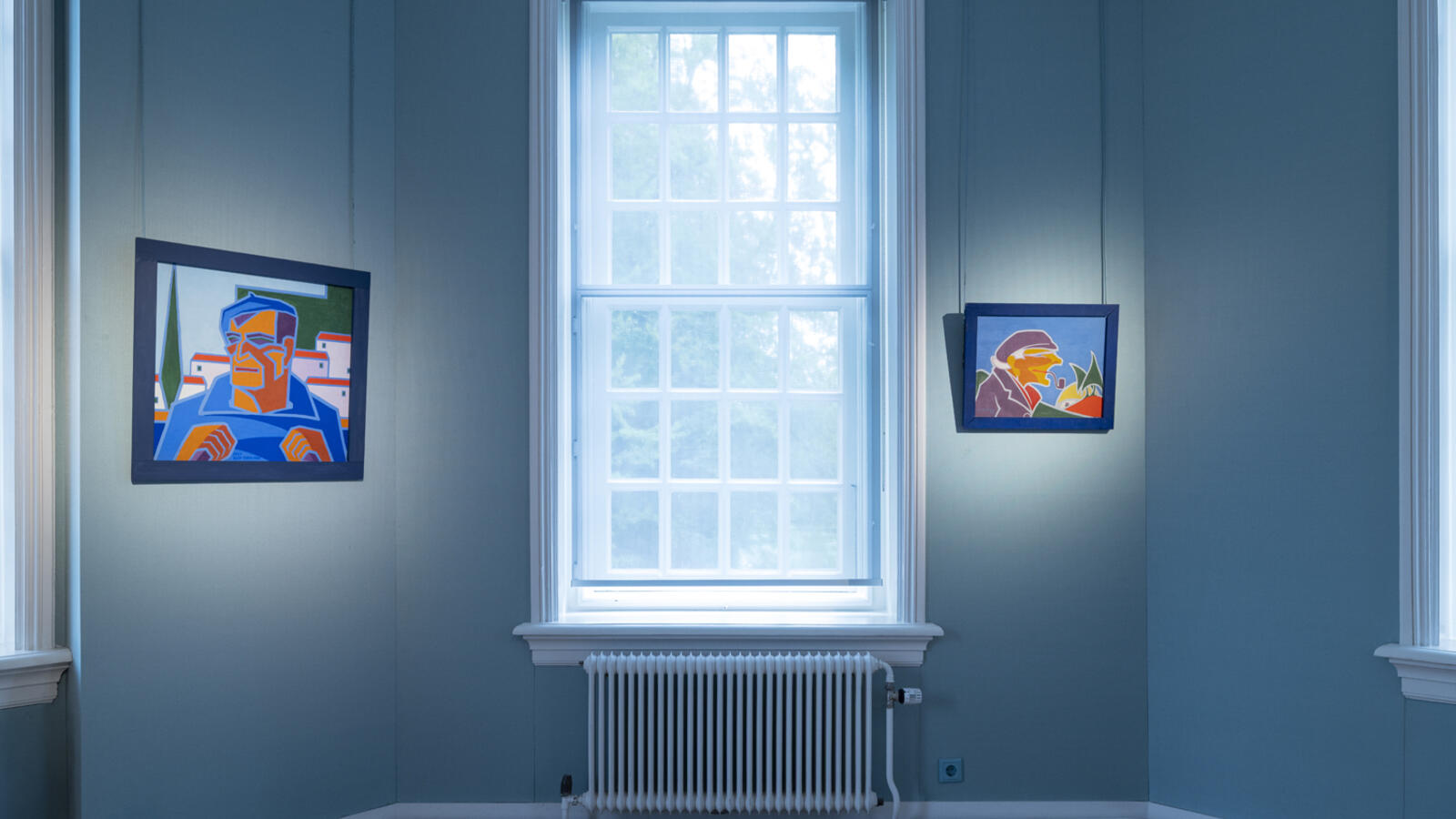
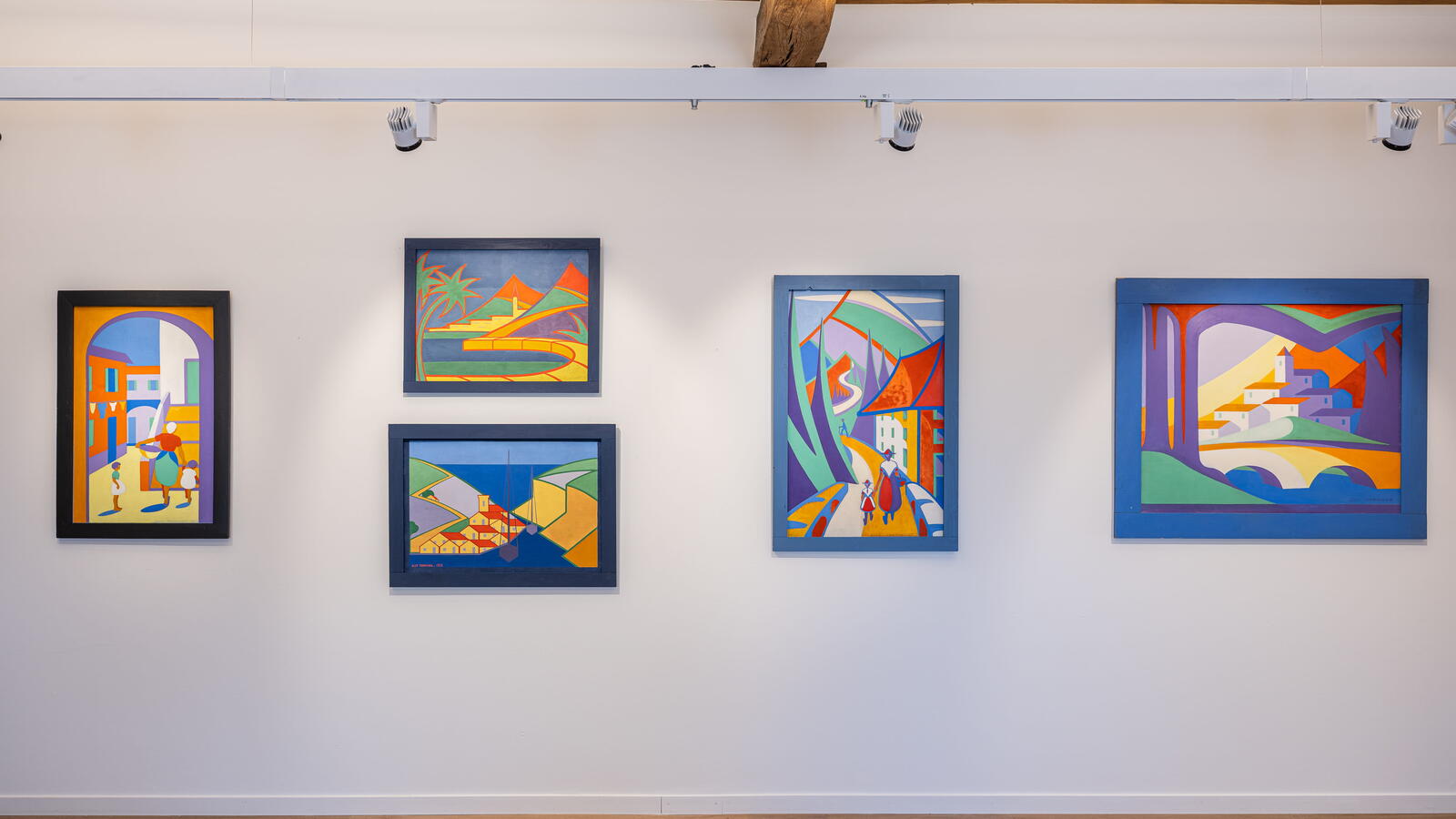
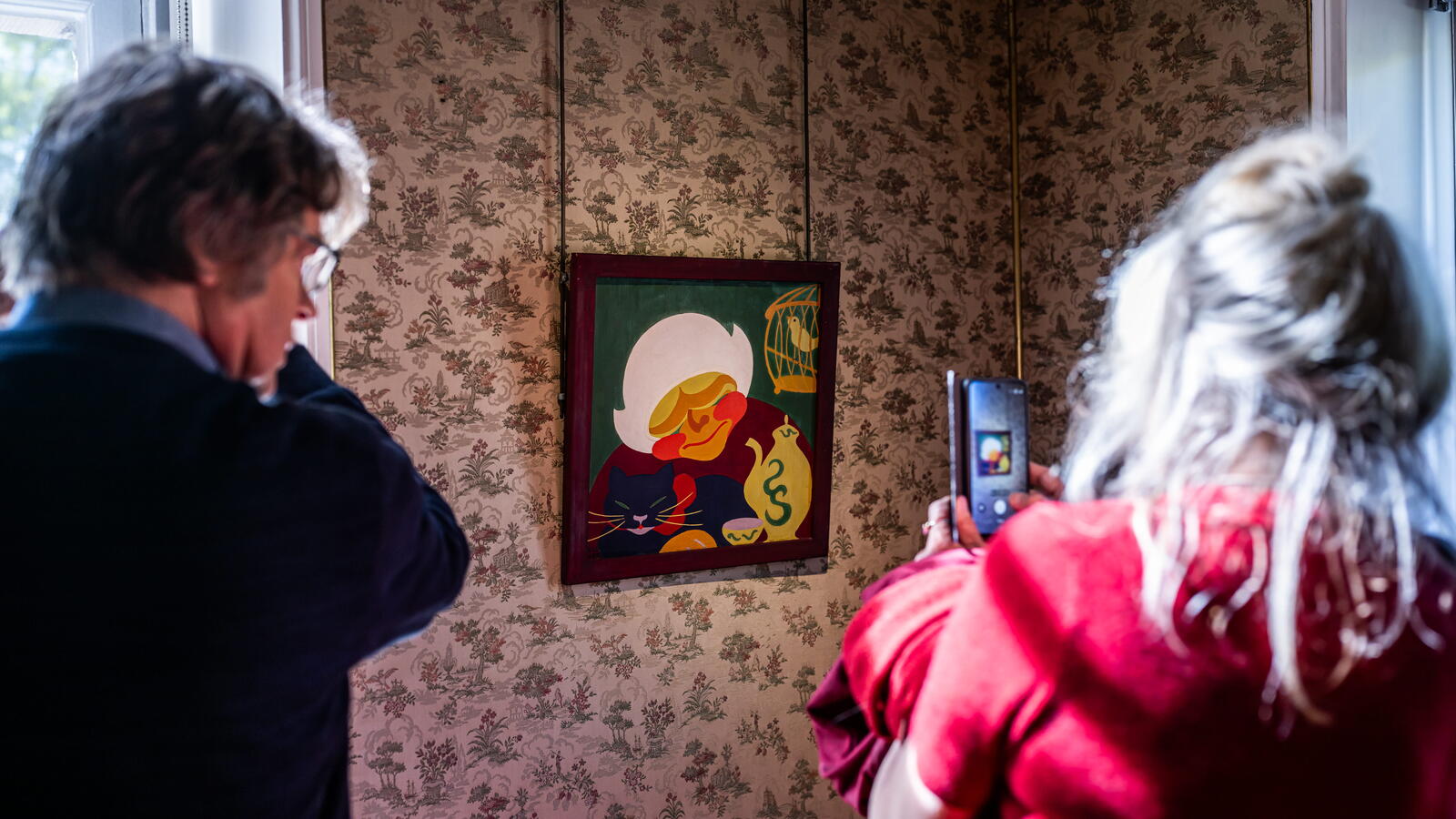
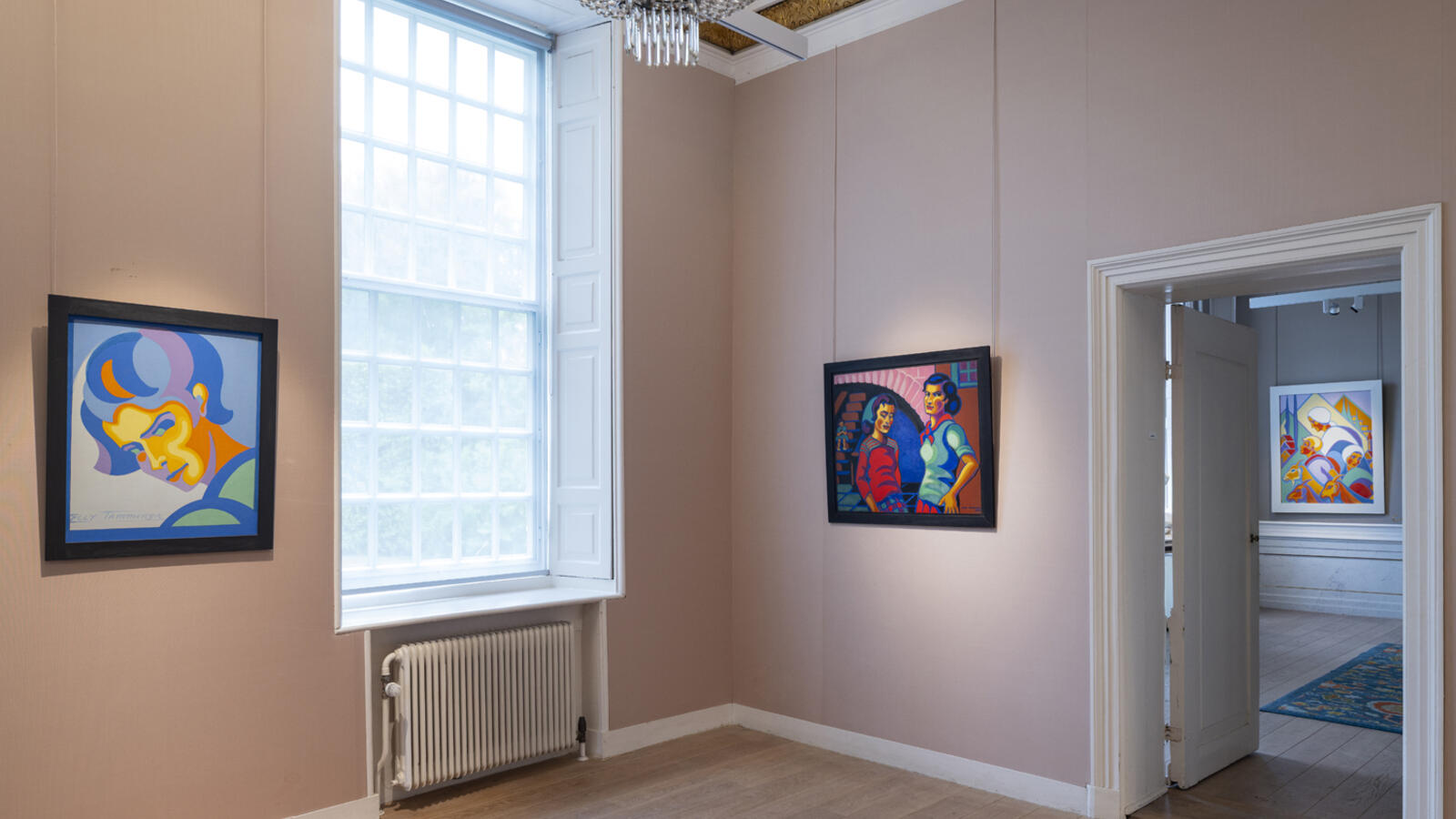
Elly Tamminga was a Dutch painter, graphic artist and businesswoman who consciously used her art, in part, to make social inequality visible. She painted landscapes, still lifes, portraits and everyday scenes, and also made graphic work that was deliberately affordable for a broad audience. For many years, Tamminga’s work disappeared from public view. Now it is once again receiving the attention it deserves.
Accessible art for everyone
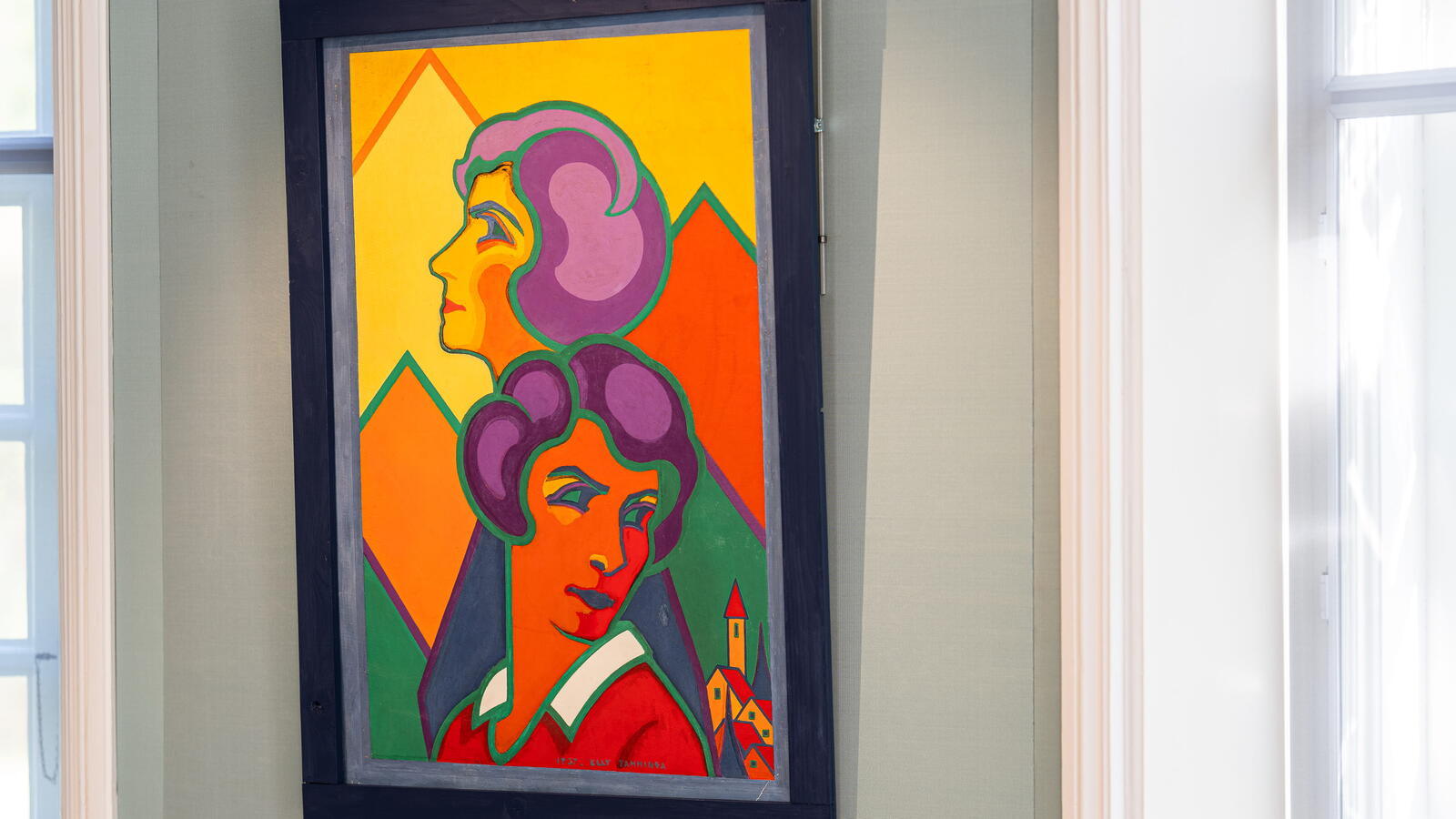
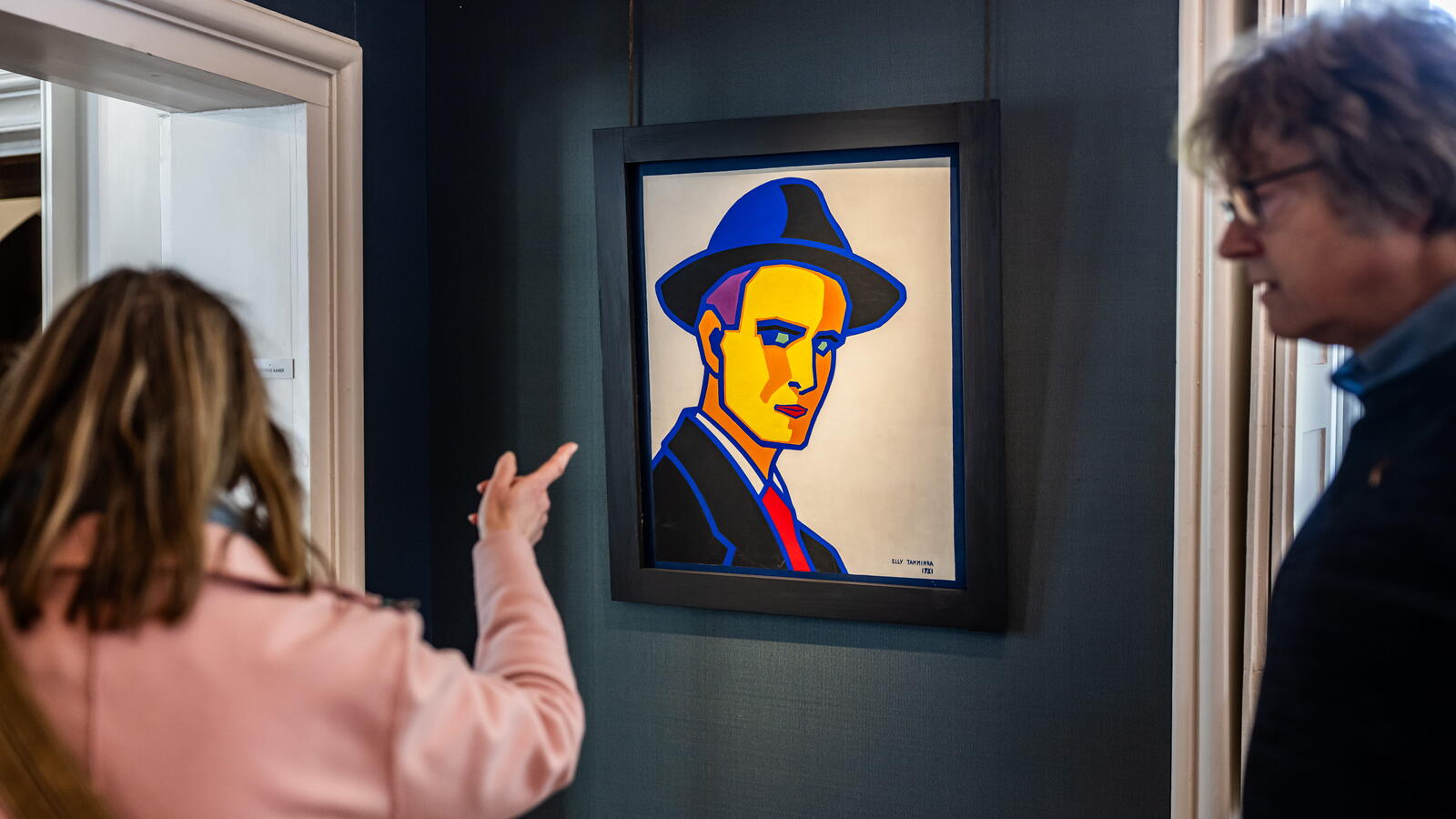
Tamminga’s art is figurative and has its roots in Cubism, with strong areas of colour, clear compositions and, at times, a pronounced social engagement. Her art is shaped by ideals, simplicity and accessibility. In her own time, people responded to her work in different ways. Museums acquired only a small number of her works.
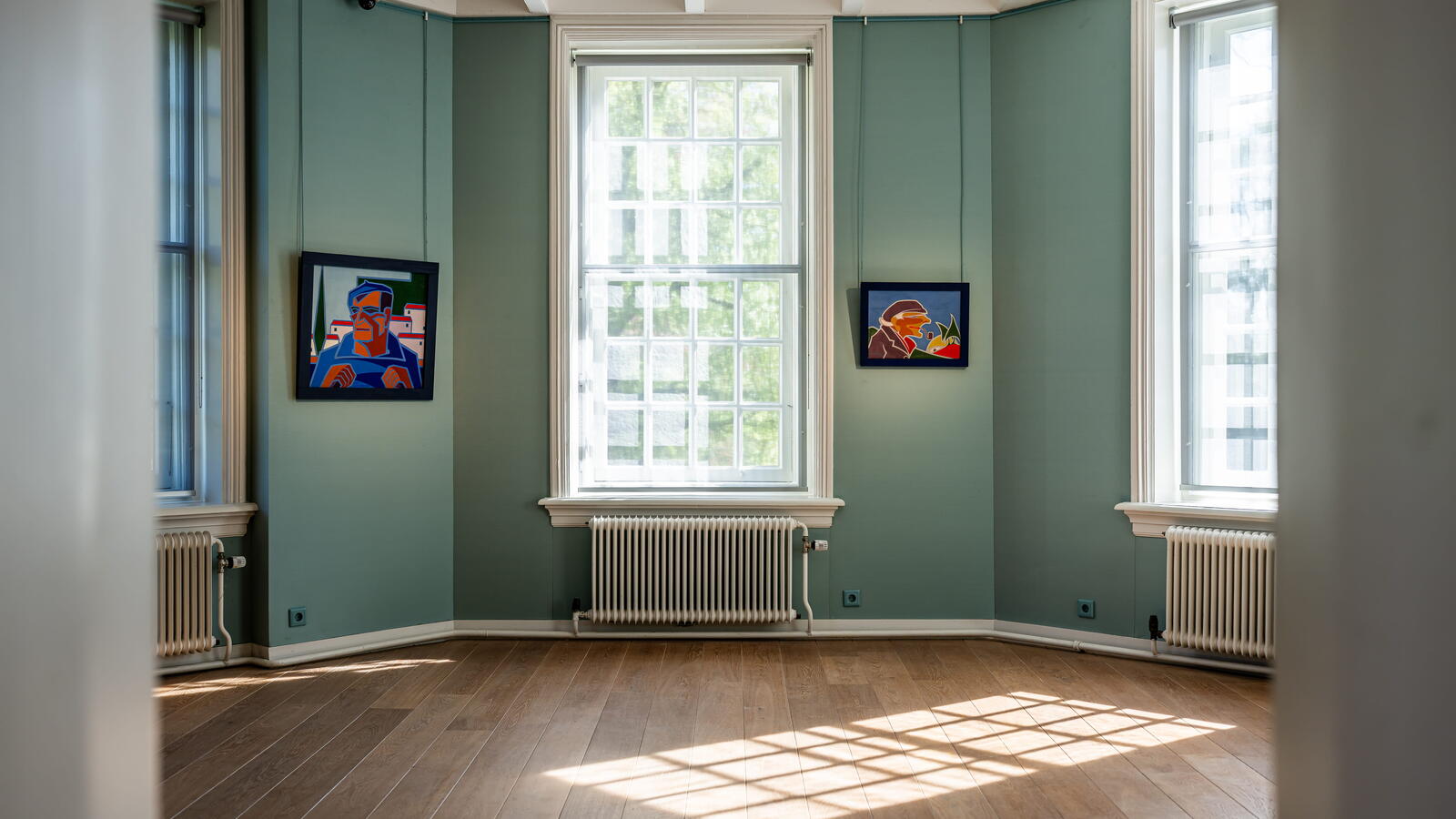
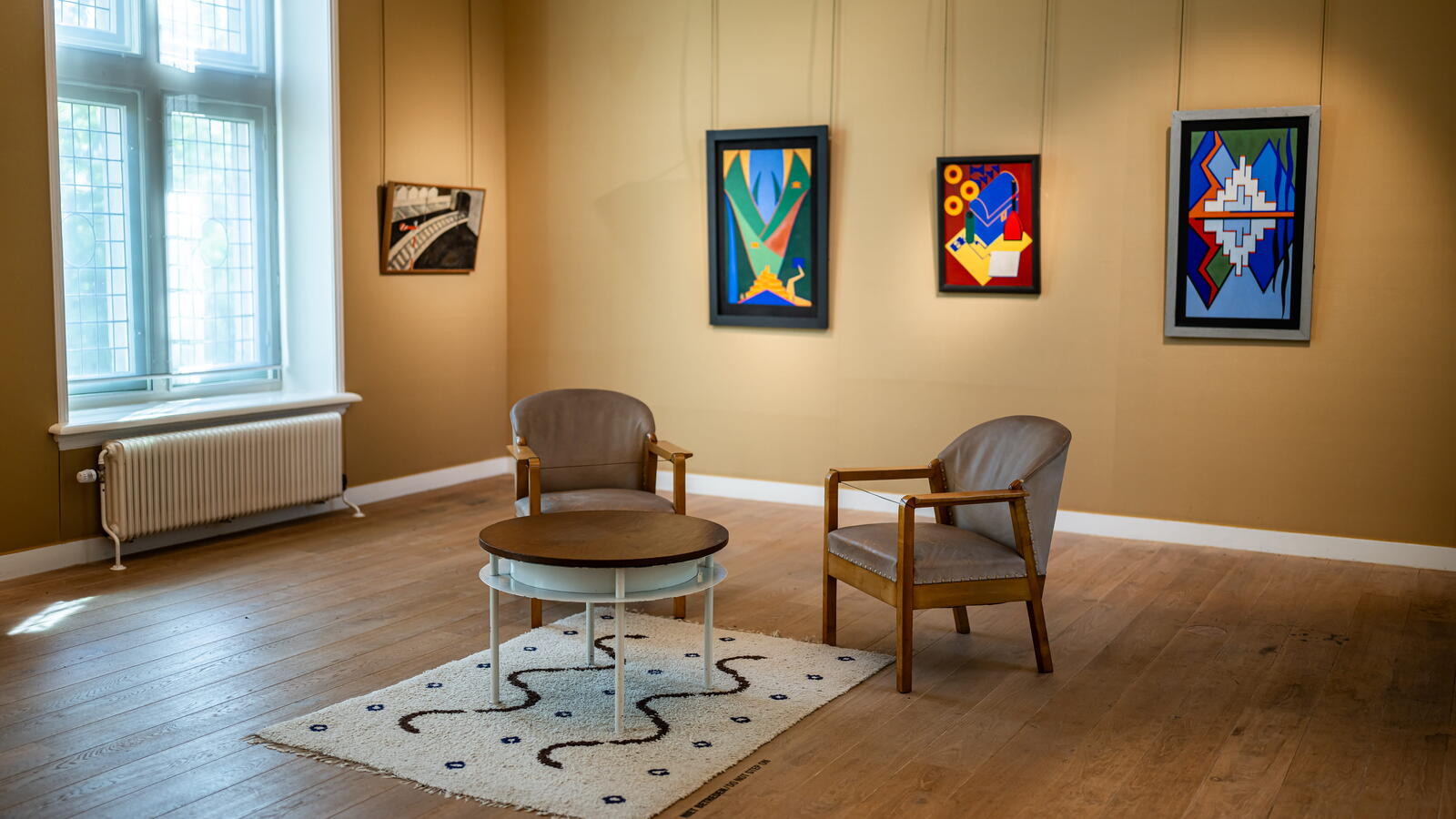
Although Tamminga exhibited regularly in the Netherlands and abroad from the 1920s onwards and built up an impressive oeuvre, she disappeared from public view after 1970. This exhibition shows how rich and consistent her body of work is. It invites us to give Elly Tamminga a renewed place in Dutch art history.
Tamminga’s work is deliberately accessible and expressive. She came from a privileged background and made a conscious choice for socialism, as well as for painting subjects from the lives of workers, fishermen, shepherds and farmers. The exhibition shows how Tamminga connected art, conviction and personal freedom, and how her work relates to that of contemporaries such as Lou Loeber, Peter Alma, Toon Verhoef and Antoon Derkinderen.