The radical photomontages by the British artist Linder take centre stage in No Future. In the 1970s, Linder was one of the key figures in the punk and post-punk scene in Manchester, UK. She was the frontwoman of the band Ludus and, in 1976, created the world-famous cover for the Buzzcocks’ first single, ‘Orgasm Addict’. Over the past 50 years, armed with a scalpel and glue, Linder has created countless activist, feminist photomontages. Through these, she exposes systems deeply entrenched in our society, such as misogyny, sexism and racism. Her body of work has now expanded to include music, film and dance. Linder’s first retrospective exhibition in the Netherlands showcases her body of work in all its facets. At the same time, No Future places her work in a broader context by displaying it side by side with a number of historical positions that are significant to Linder. The exhibition features works by Linder’s predecessors, thereby placing Linder’s own work within a broader context. As such, No Future offers the perfect opportunity to discover Linder and truly grasp the depth of her work.
Photomontages
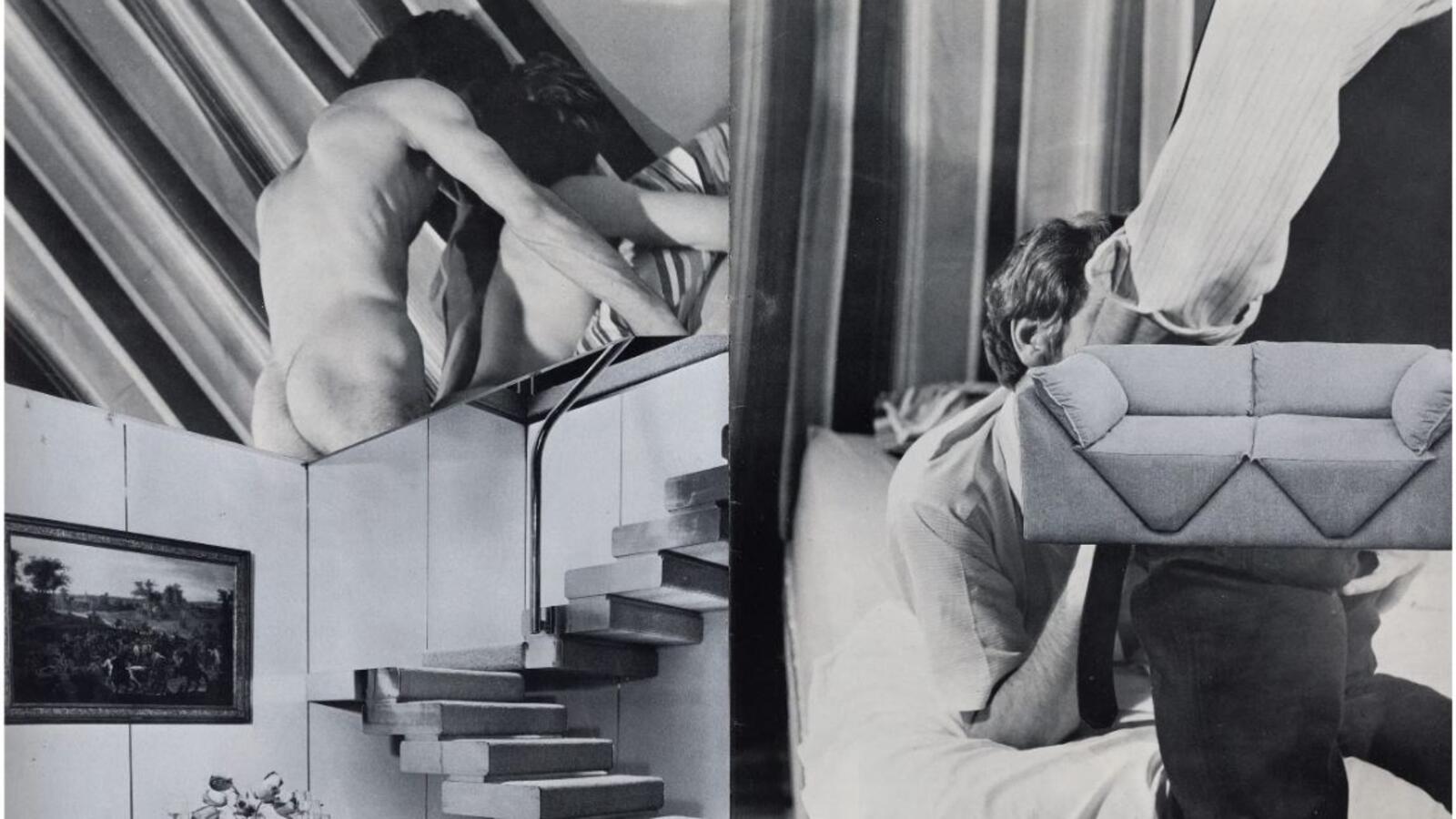
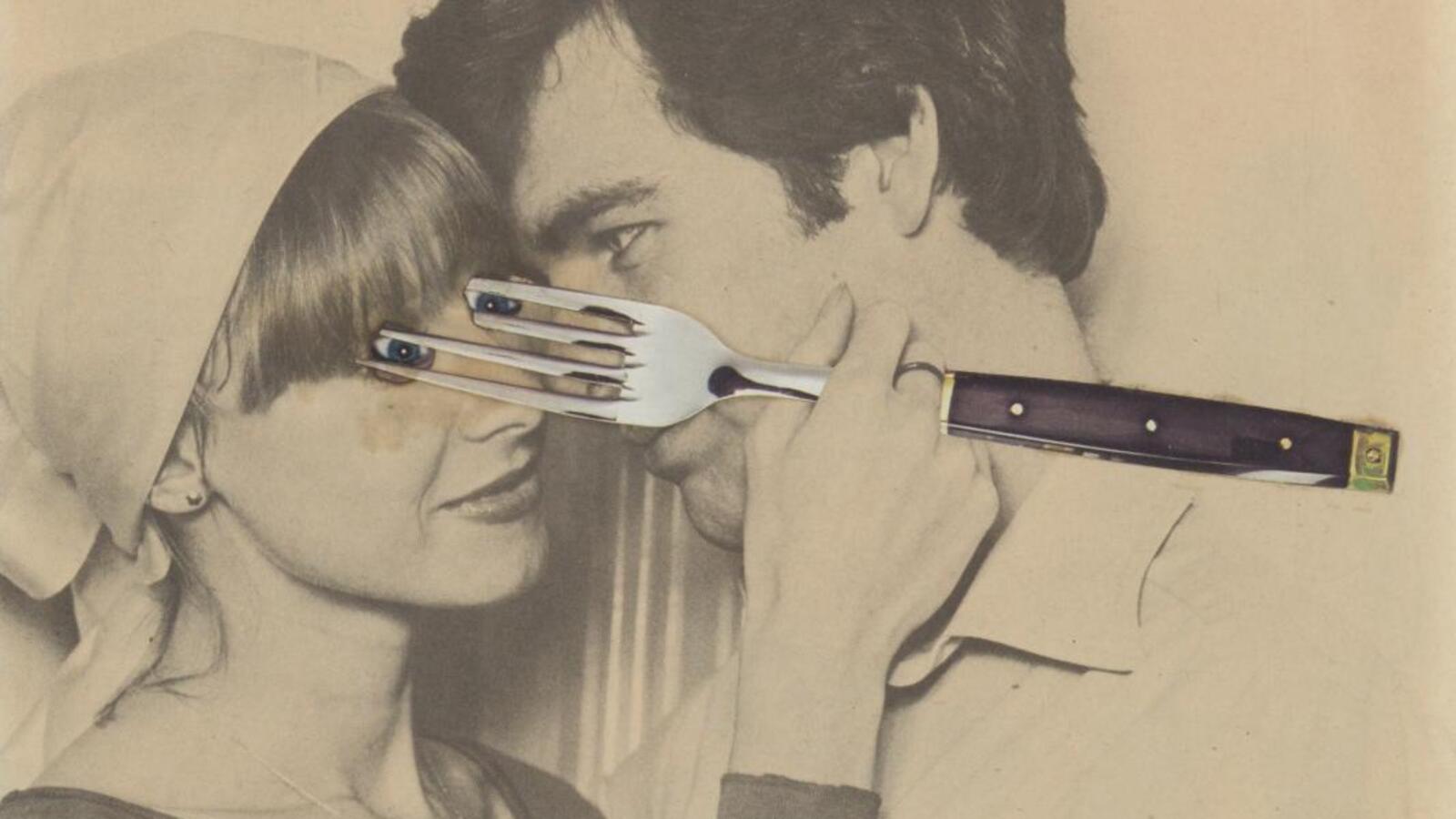
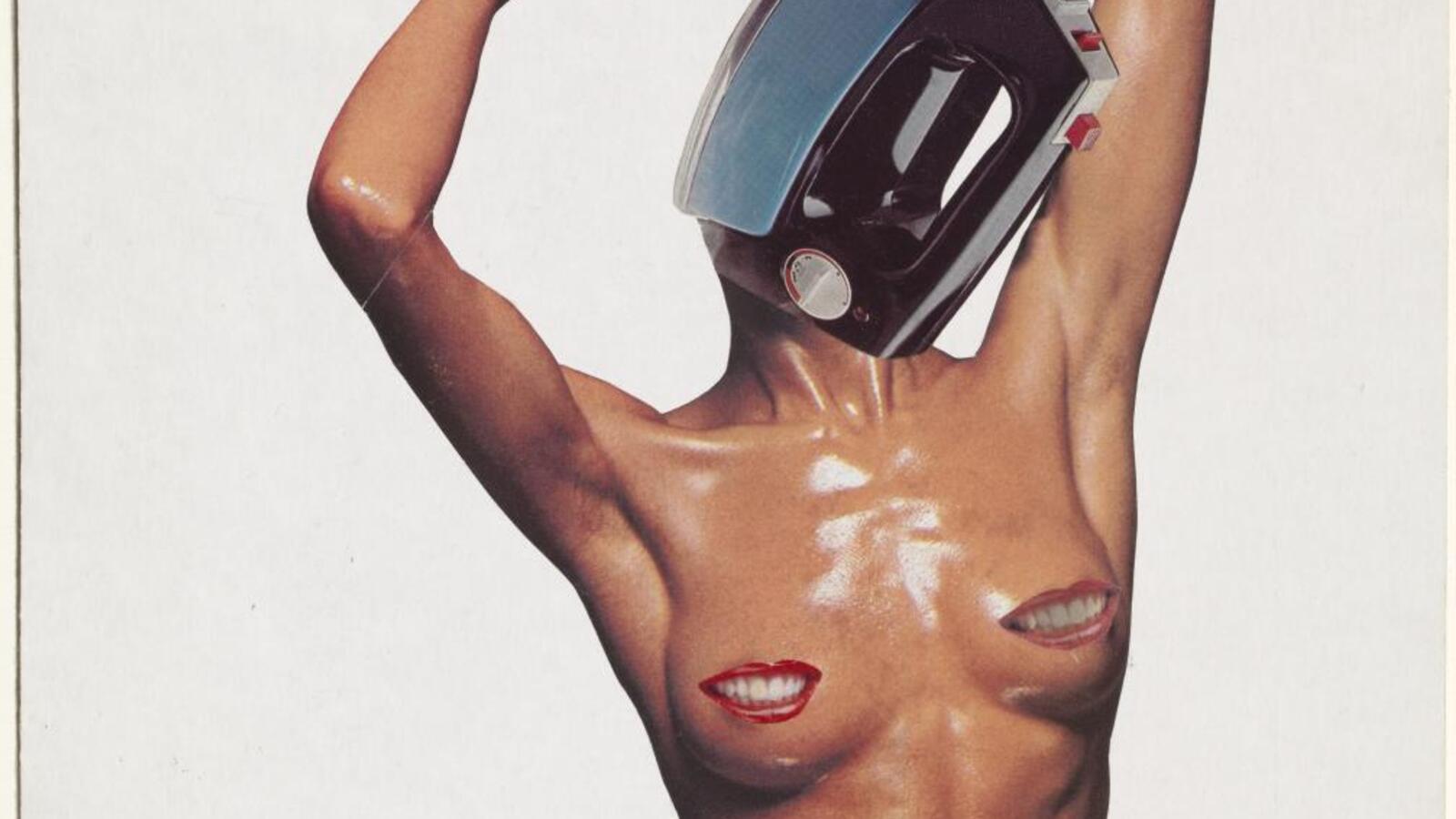
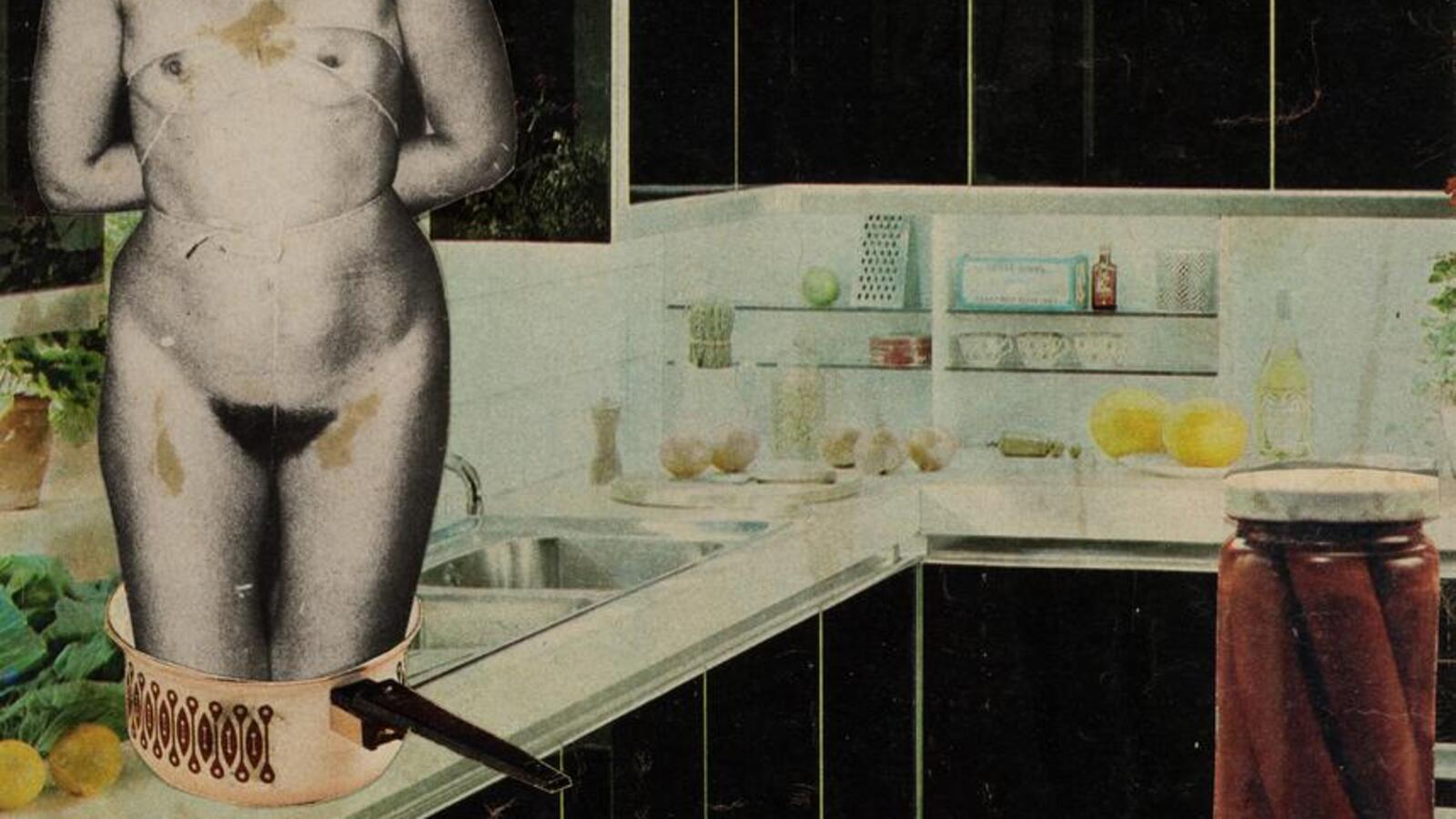
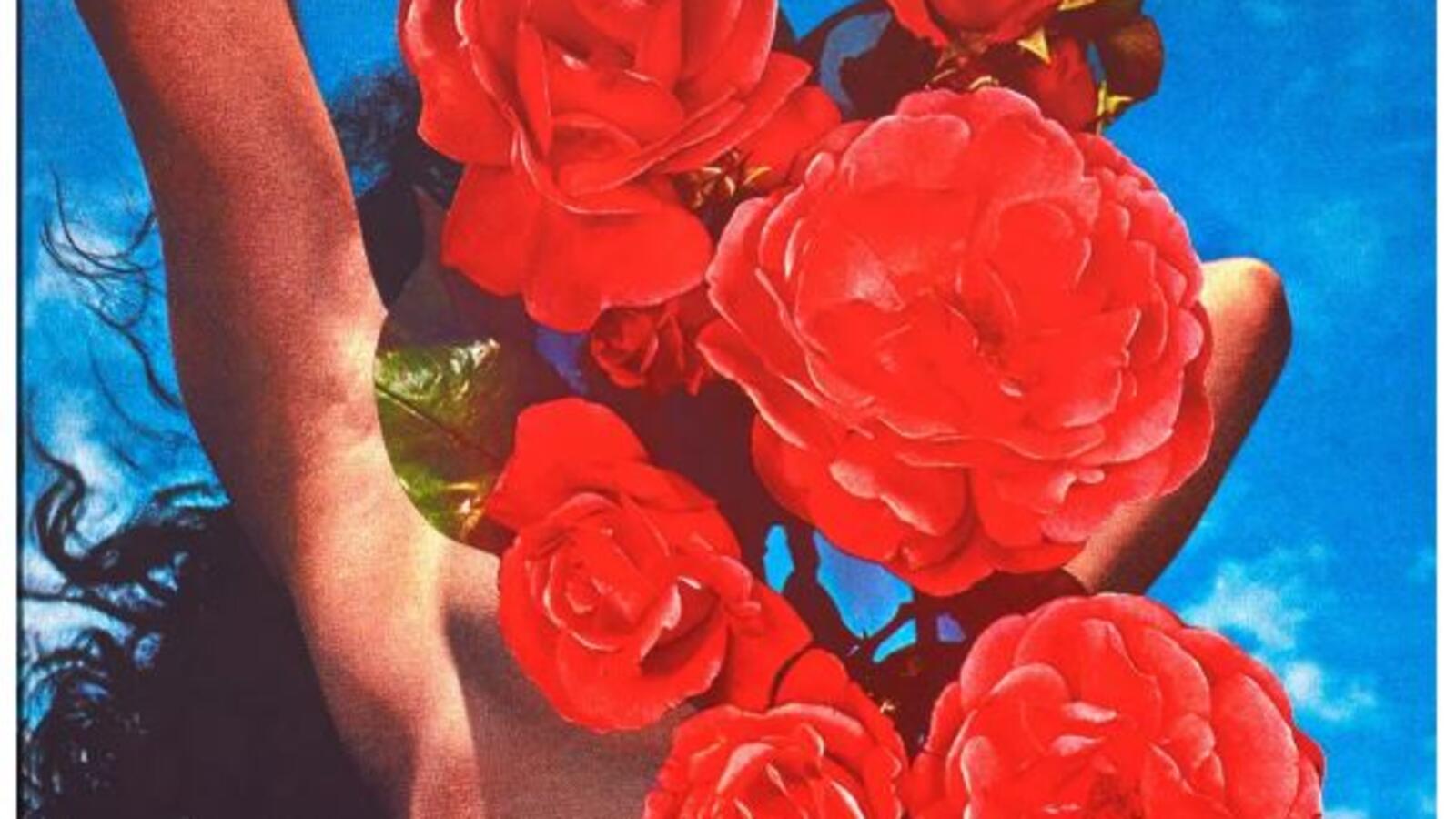
Through her photomontages, Linder critiques the clichéd portrayals of women that we are constantly presented with, both online and offline.
‘I remember the sheer joy of photomontage. For three years, I’d been working with pencil, paint and pen to translate my life experiences into drawings. It was a moment of glorious liberation simply to work with a knife, glass and glue. Almost a scientific methodology. Sitting in a darkroom in Salford, performing cultural autopsies and then haphazardly piecing the corpses back together, like a Mary Shelley trying to bring the monster to life. For a short while, I’d found a perfect form of expression … I’d always loved magazines and I had two separate piles. One pile consisted of what you might call women’s magazinescall women’s magazines – fashion, romance – and the other pile consisted of men’s magazines: cars, DIY, pornography – which was, in a way, women’s stuff again, but from a different angle. I wanted to combine the G-Plan kitchens with the pornography, to see what sort of strange hybrid would emerge from that. I did it all on a glass plate with a scalpel, very neatly, as if I were putting together a jigsaw puzzle.’ – Linder in Paul Bayley, Jon Savage, et al, Linder: Works 1976–2006, Zurich 2006, pp. 10–12
Inspiration
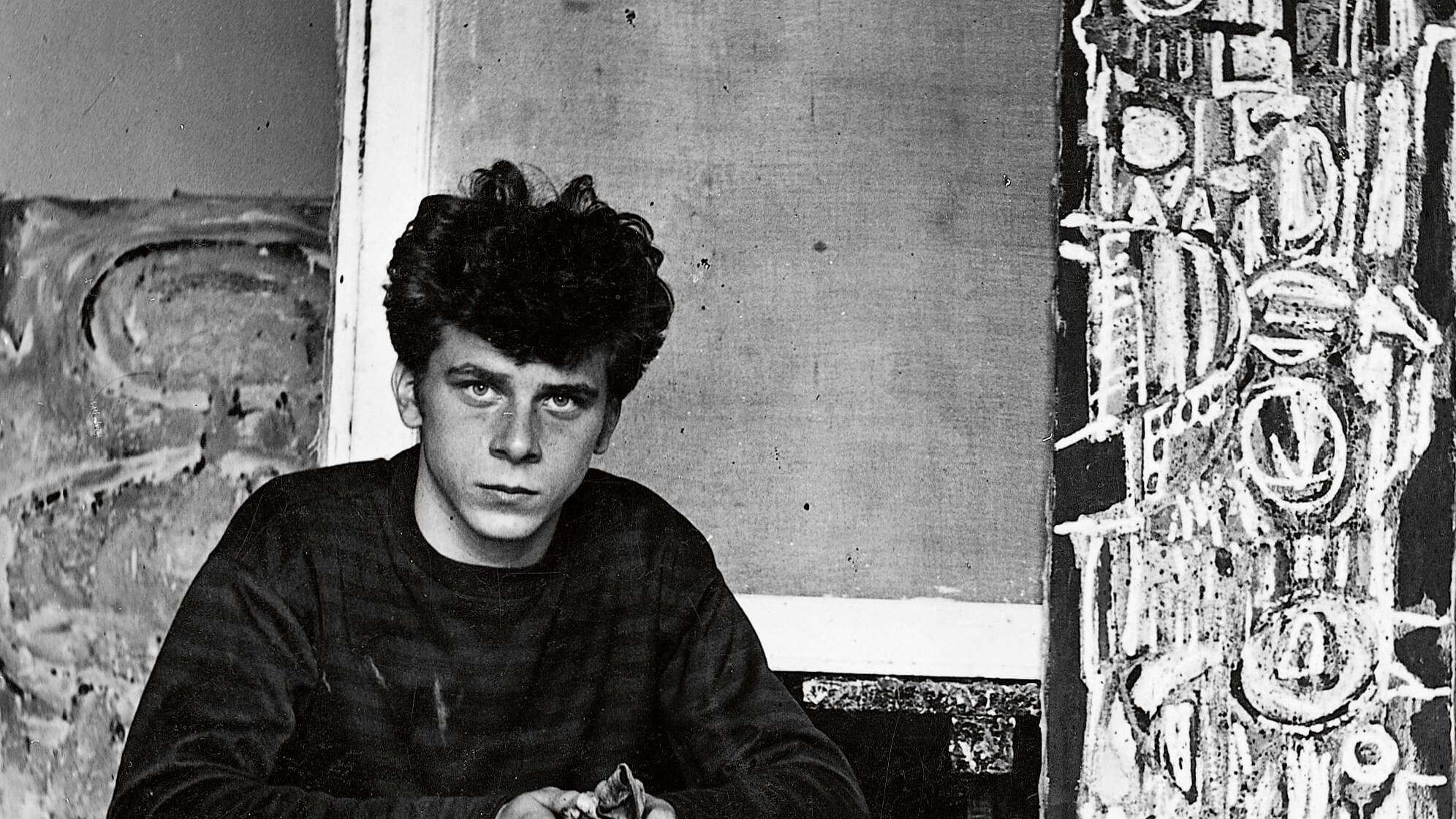
Linder finds much inspiration in the work of the early 20th-century Berlin Dadaists, particularly in the work of the inventors of the collage, Hannah Höch and John Heartfield. Linder identifies strongly with their activist and revolutionary stance. For instance, Hannah Höch’s collages also address the role of women in the society of that time. In addition, Linder finds much inspiration in the work of the Surrealists, such as Salvador Dalí, but also – and above all – in the work of Ithell Colquhoun. In Surrealism, working from the subconscious plays a major role. This is a method that fits seamlessly with Linder’s approach, as she too wields her scalpel intuitively.
Punk and now
In 2027, the fiftieth anniversary of punk will be celebrated worldwide. The title No Future refers to the well-known slogan from punk culture. ‘No Future’ expresses the alienation from and dissatisfaction with society, as well as the lack of prospects for young people in the 1970s. The slogan symbolises the punk movement as a protest against the system and the established order. There are striking parallels between the punk movement of the 1970s and 1980s and our present day. Wars, economic crises, climate change – today’s generation takes a bleak view of the future. Just as in the 1970s, there is a growing chorus of criticism directed at current social, societal and political systems. Protest is back. Demonstrating is back in vogue. A sense of an uncertain and bleak future characterises this generation. It is no coincidence that more and more punk bands are emerging once again. Linder’s photomontages resonate strongly with both the punk era and our own time. With her scalpel and images from porn magazines, dance magazines, and cookery and gardening books, she unerringly dissects the problems in our society.
Linder, Magnitudes of Performance (series), 2012, photomontage, courtesy of Modern Art London
Linder, Untitled, 1976, print on paper, Tate.
Linder, Untitled, 1976, print on cardboard, Tate. (for Buzzcocks’ *Orgasm Addict*)
Linder, Untitled, 1976, print on cardboard, Tate.
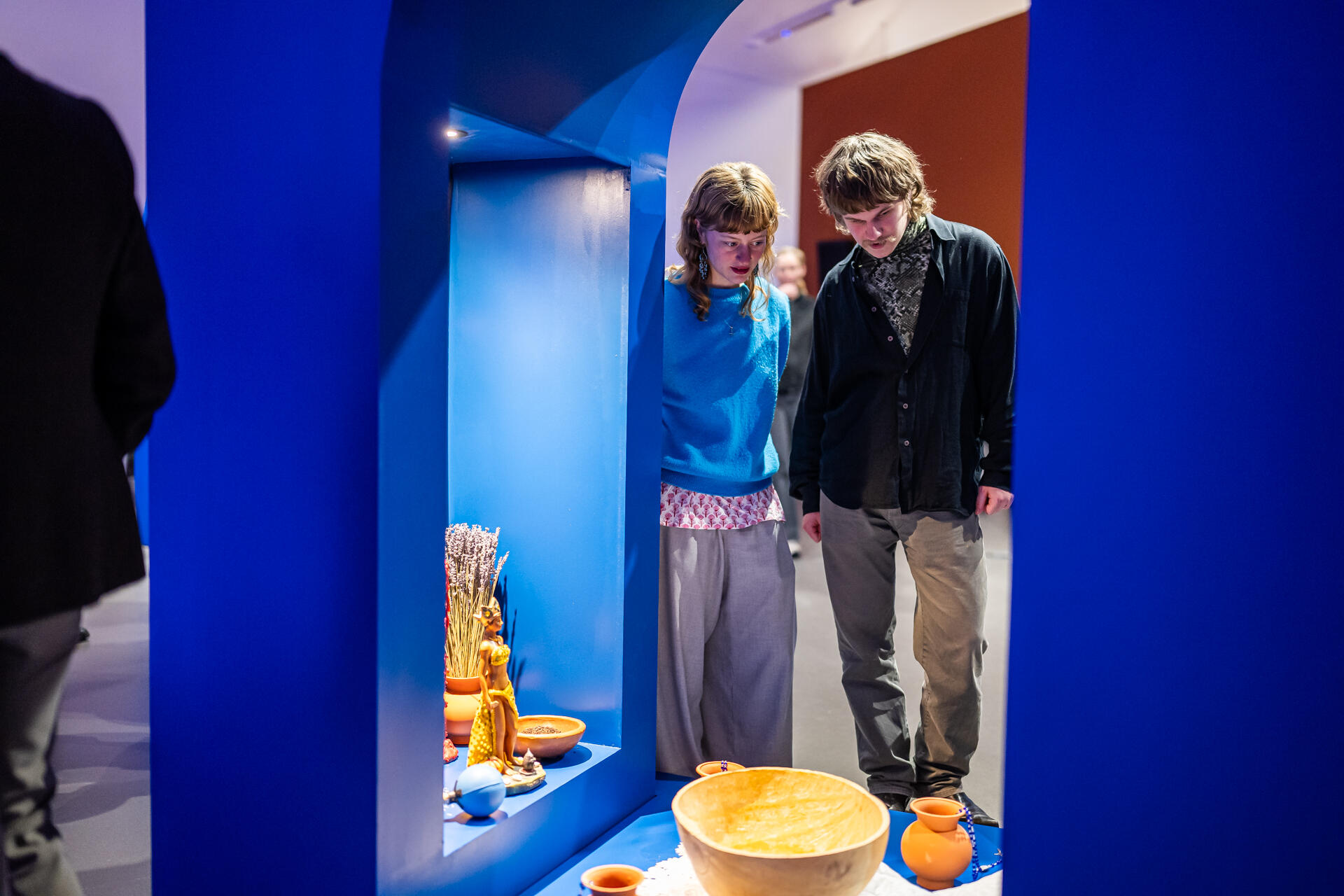
Linder, The Goddess Who is Permanent as Well as Temporary, 2020, lightbox, courtesy of Modern Art London