A retrospective on 50 years of Zwolle-based postmodern visual artist Henk Heideveld's career.
.
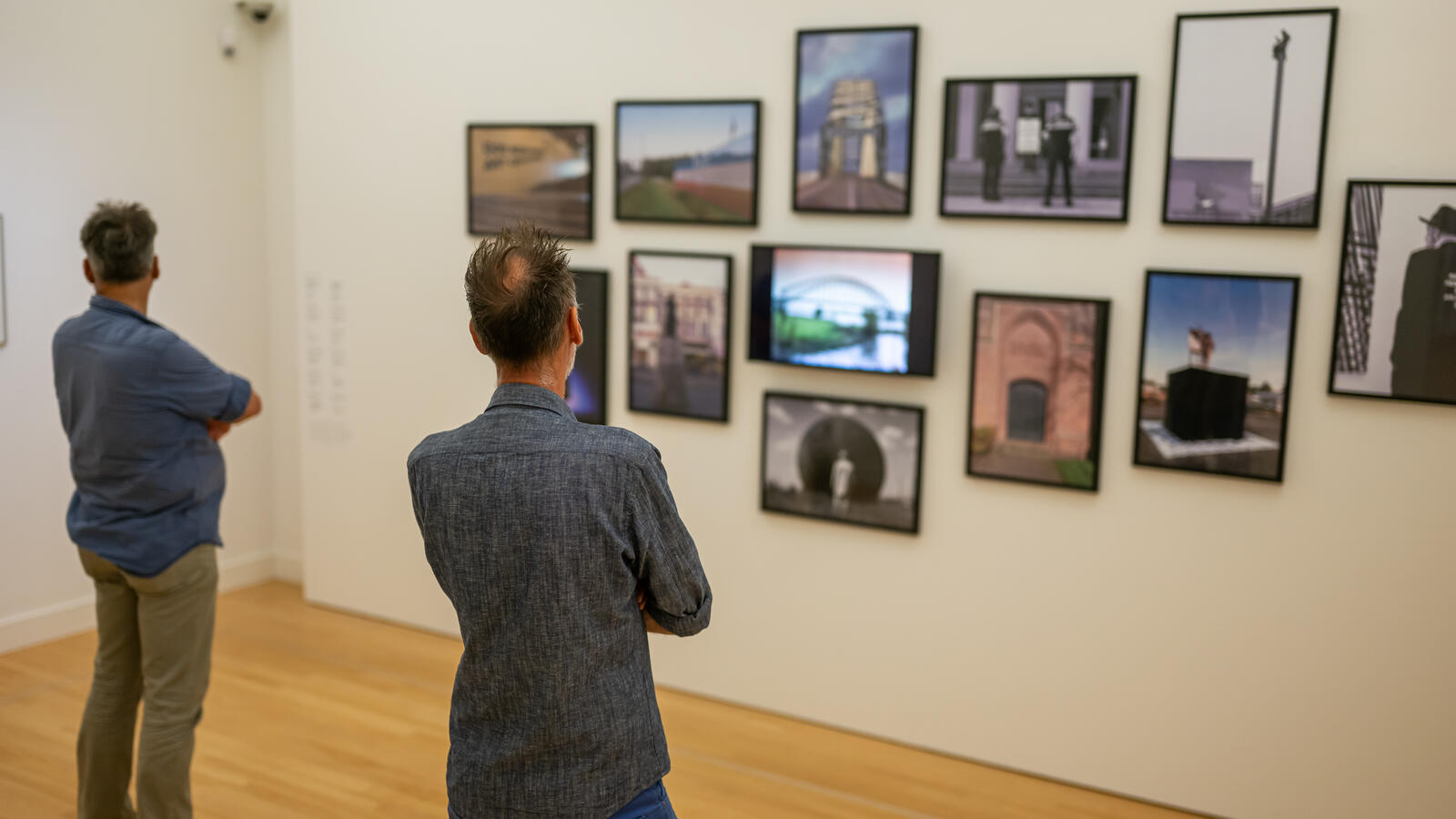
Many Zwolle residents know Heideveld as the man who walked across the arch of the IJssel bridge, went out with a suitcase full of money to hand out free banknotes, or as the man who whitewashed the railway line to Germany in one of his many performances to call attention to the Holocaust. Less well known is his life as a visual mystic and postmodern devotee, as he calls himself.
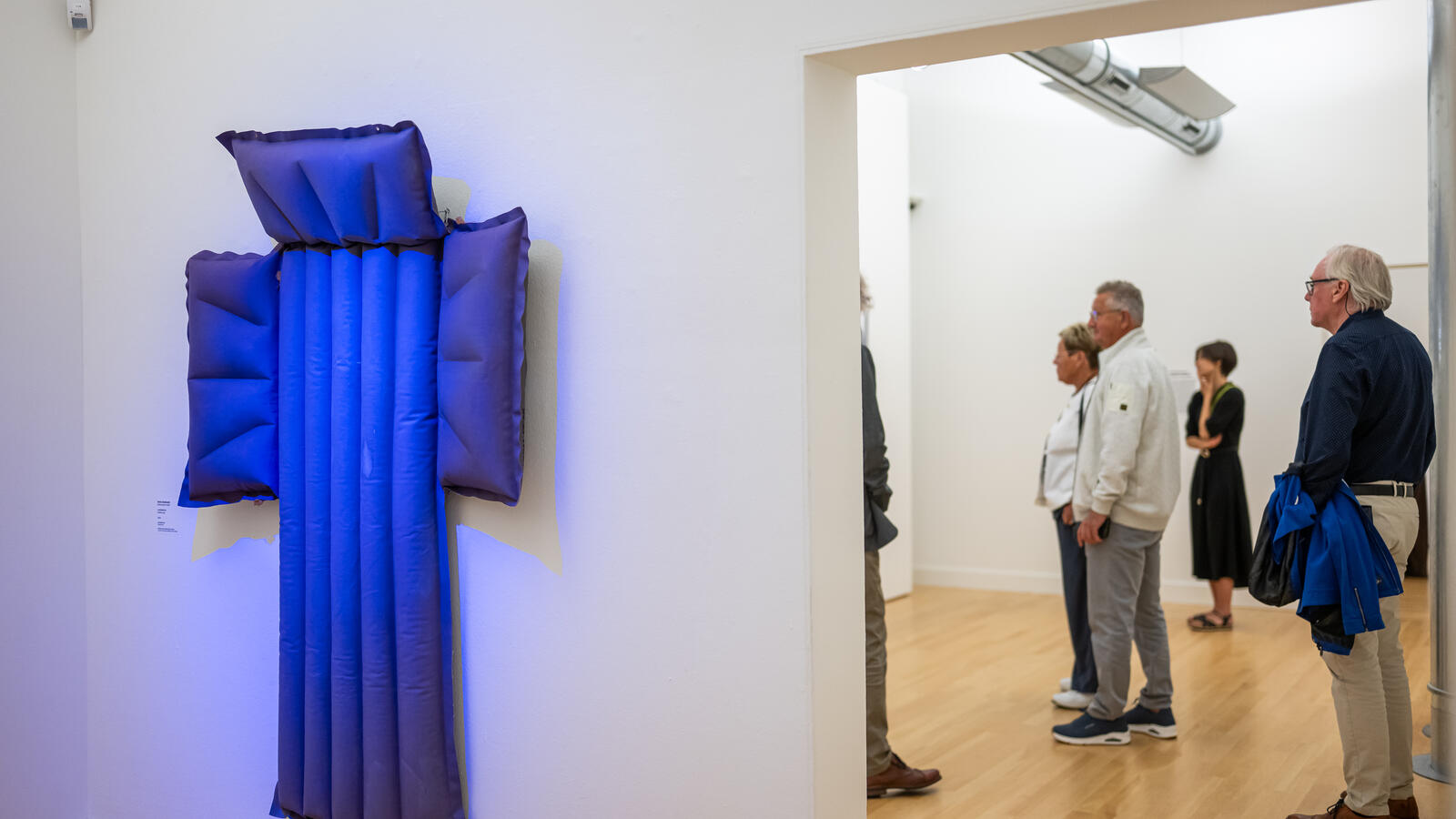
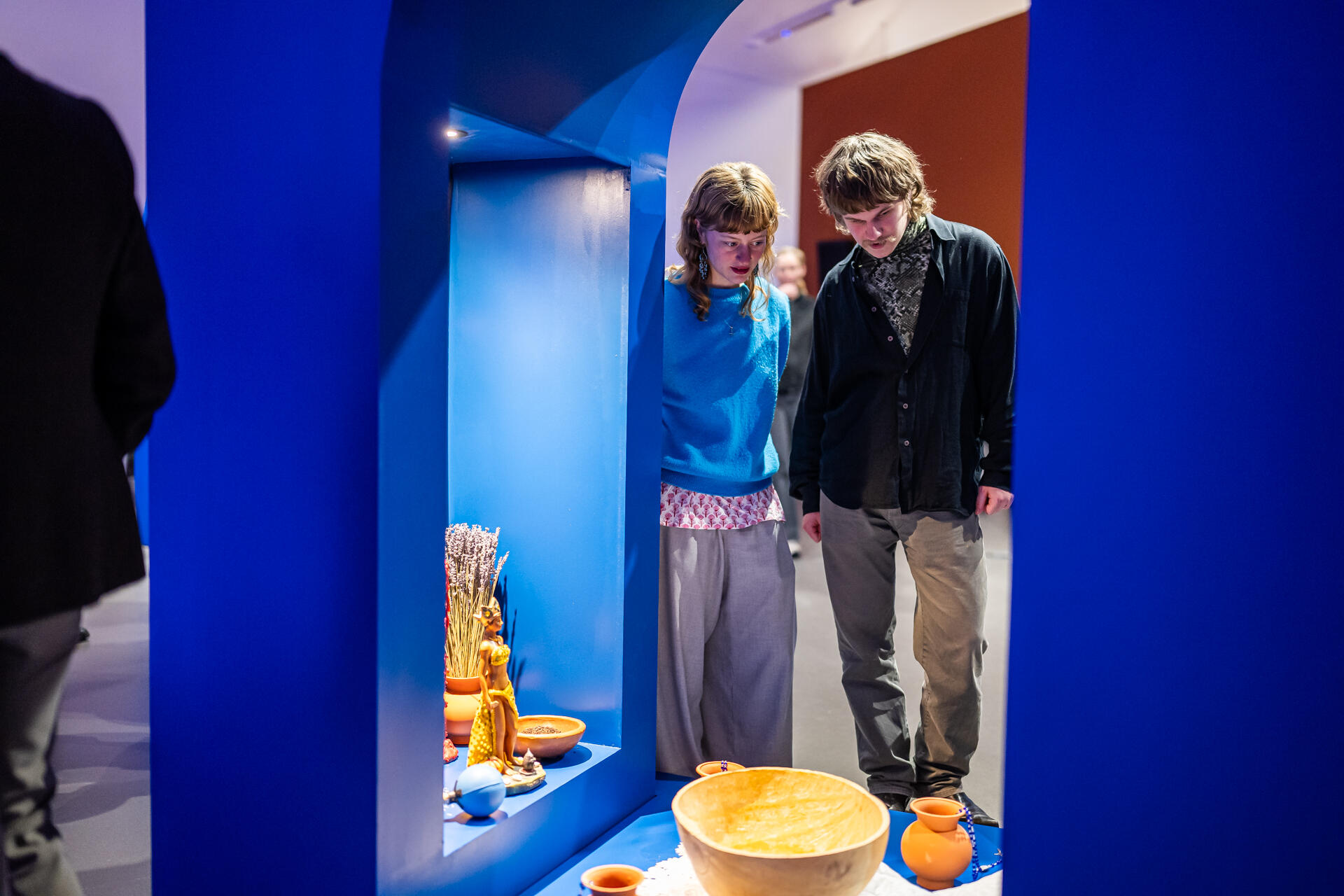
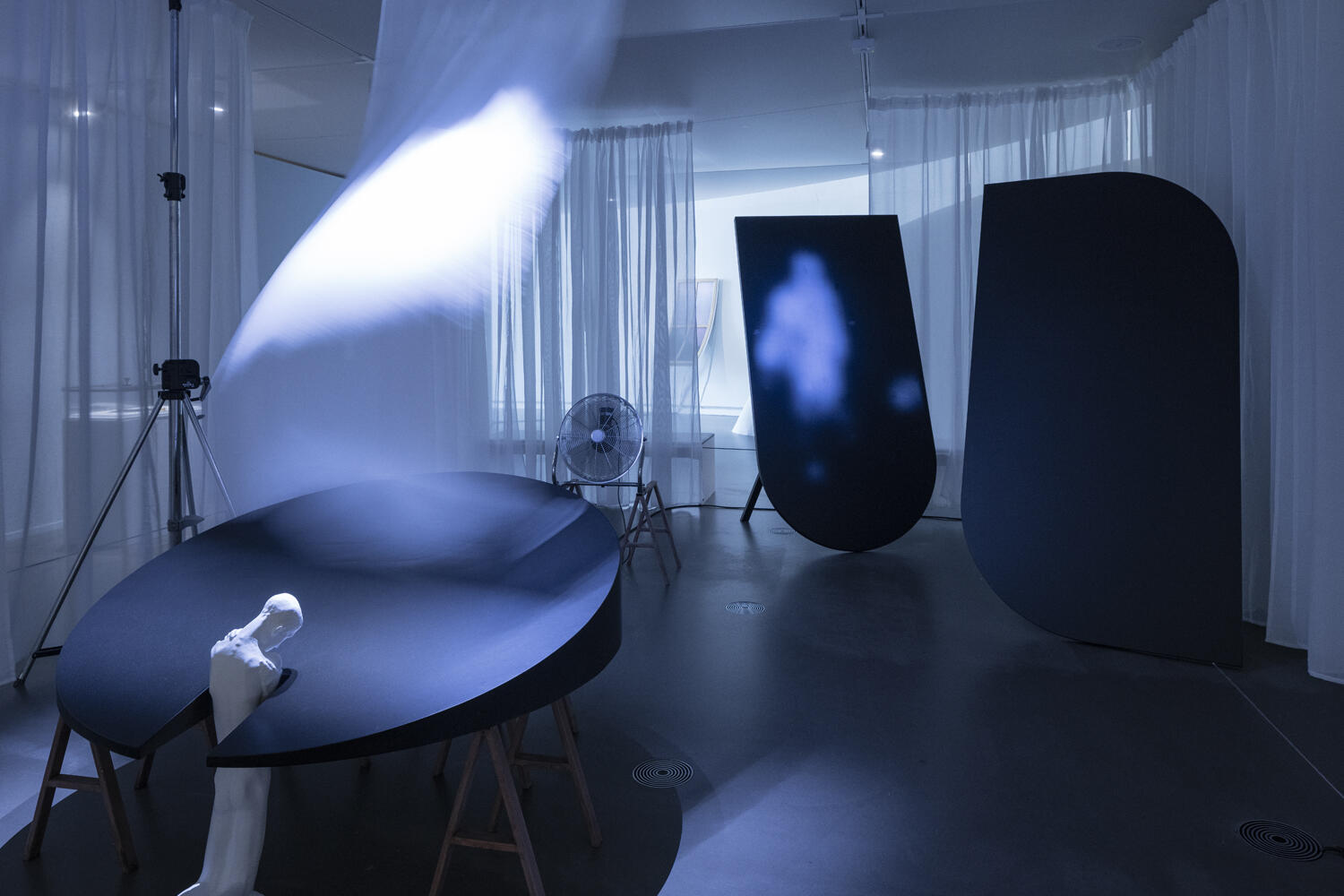
This exhibition shows the versatility of Heideveld's work: from video and performances to drawings, paintings, installations, texts and photography, spanning five decades. Beginning from his beginnings as a conceptual artist in 1975 to the present, the selection shows his profound and obsessive quest to understand the world - and man's role in shaping or losing it.
He explores the relationship between art and God, with history and time playing an important role. He did this by spending years researching the Holocaust, which he considers the darkest chapter of European history-rooted in both modern social structures and two thousand years of Christian intolerance.
Meet the artist
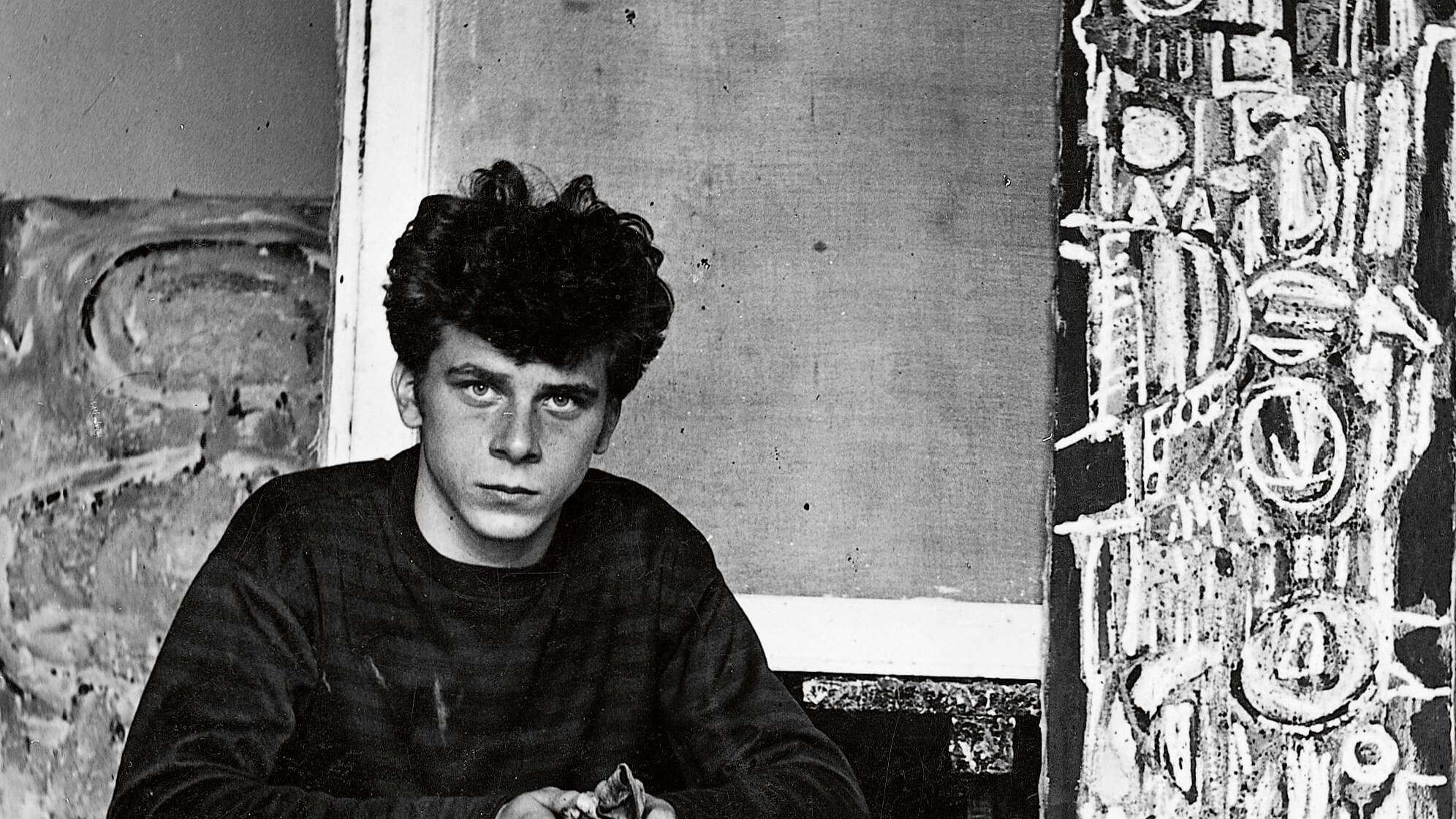
Henk Heideveld (born 1950, Winterswijk, Netherlands) is an artist, performer and writer living and working in Zwolle, the Netherlands. His work combines video, performance, photomontage, drawings and paintings.
Since the mid-1970s, Heideveld has been exploring philosophical and historical themes, especially the concept of 'God' as described by Spinoza in Deus sive Natura (God or nature). Since 2010, his art and writing have increasingly focused on quantum mechanics, incorporating scientific theories into his creative process.
Heideveld had solo and duo exhibitions at Stedelijk Museum Zwolle, Netherlands (2015); Museum for False Art, Vledder, Netherlands (2017); Public Space Kreis-Lippe, Lünen, Germany (2021); and Cultural Centre 'Siamsa Tíre', Tralee, Ireland (2021), among others. His work has also featured in group exhibitions at Galerie Monte Video, Amsterdam (1980); Städtische Galerie Lenbachhaus, Munich (1982); Dutch Festival, Athens (1983); Stedelijk Museum Schiedam, Netherlands (1985); and Rijksmuseum Twenthe, Enschede (1989).