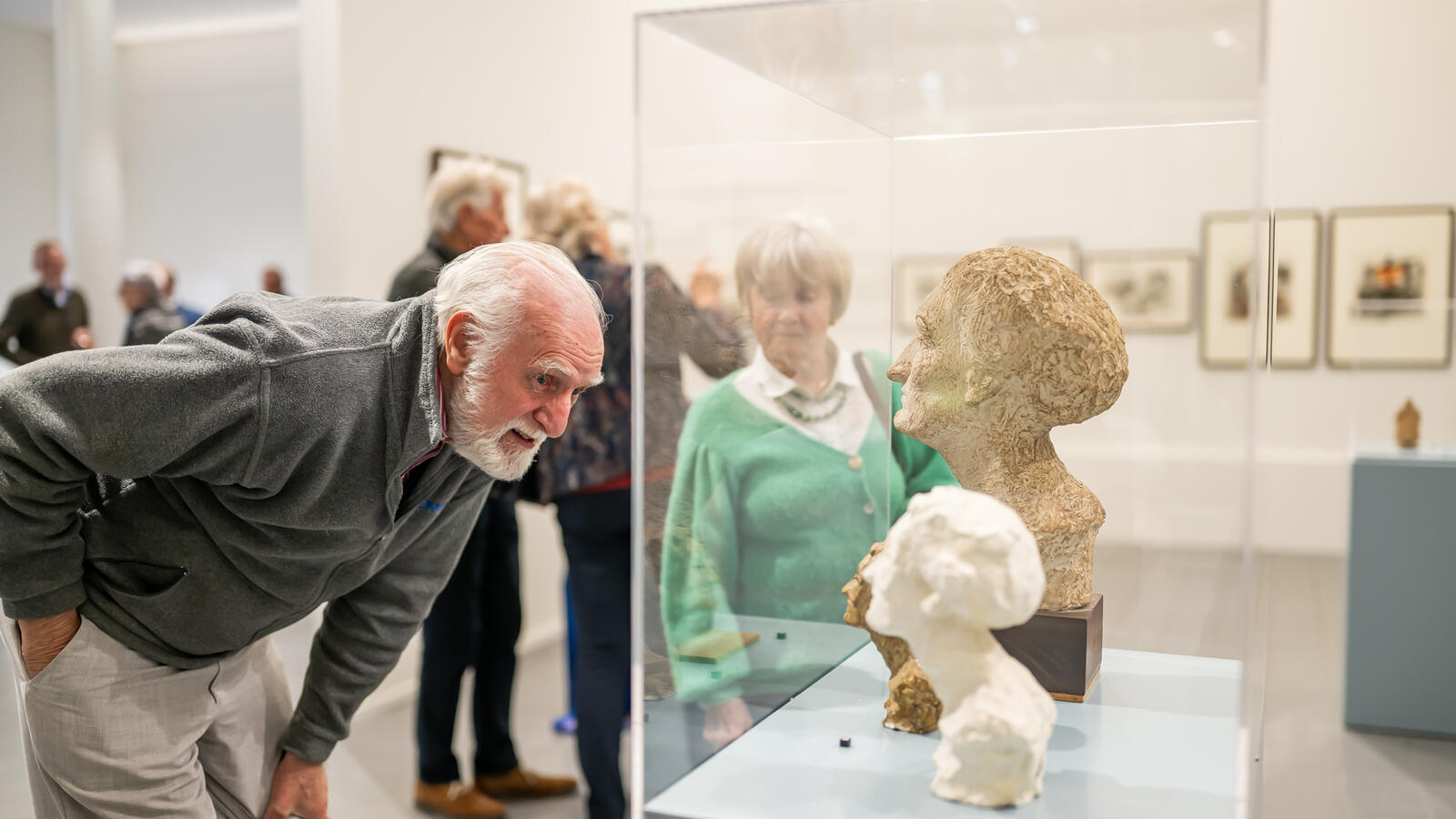
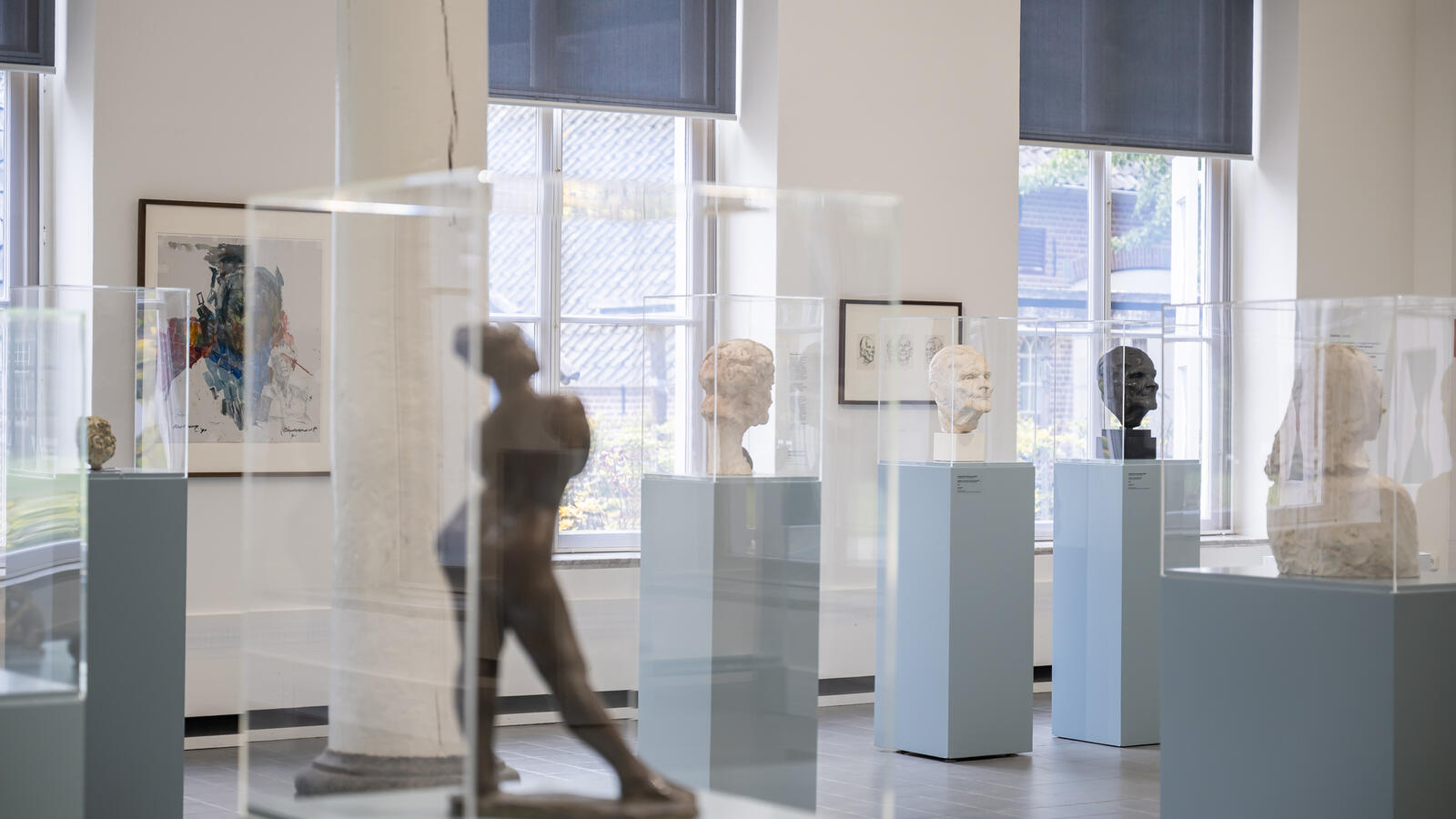
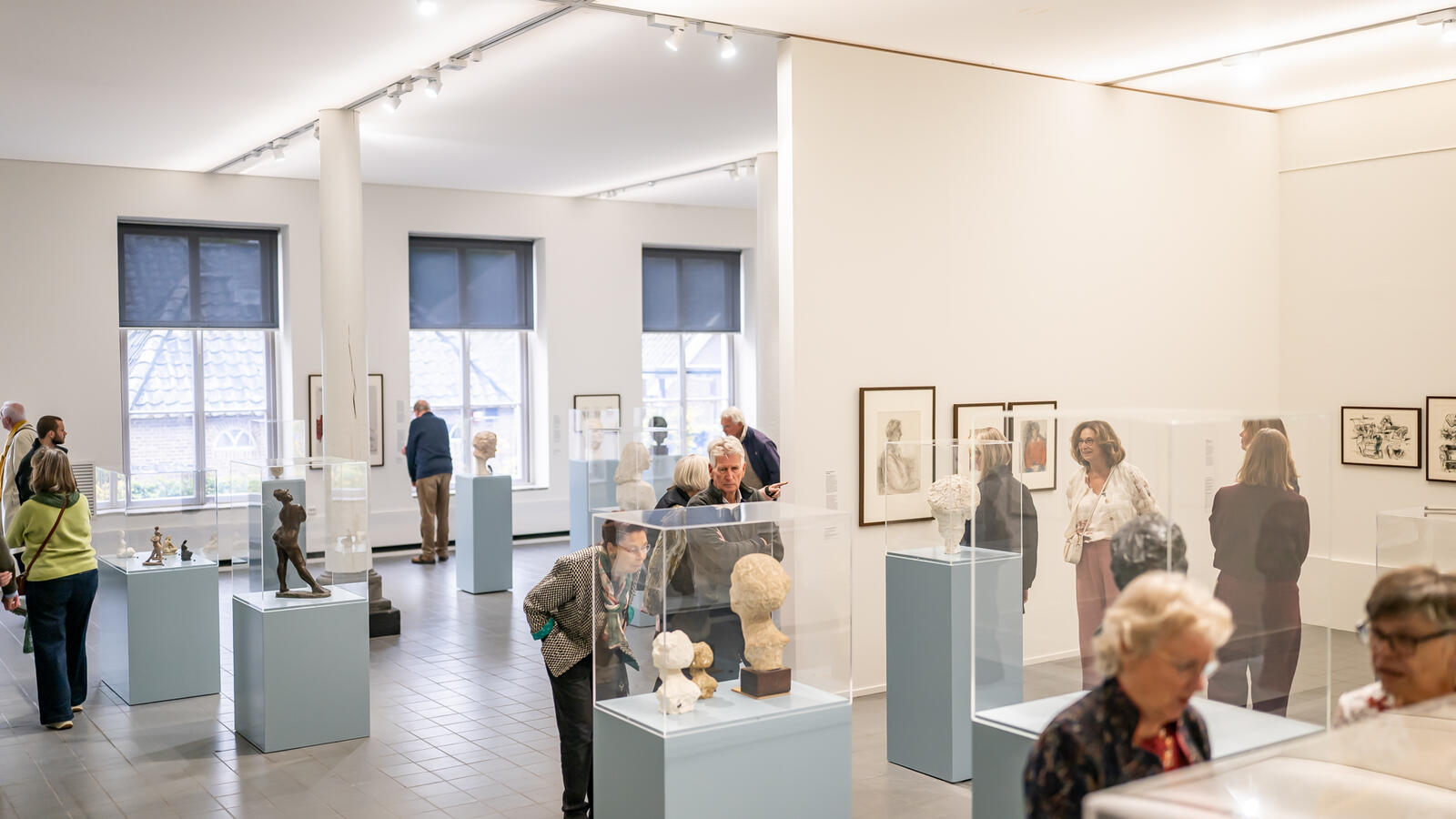
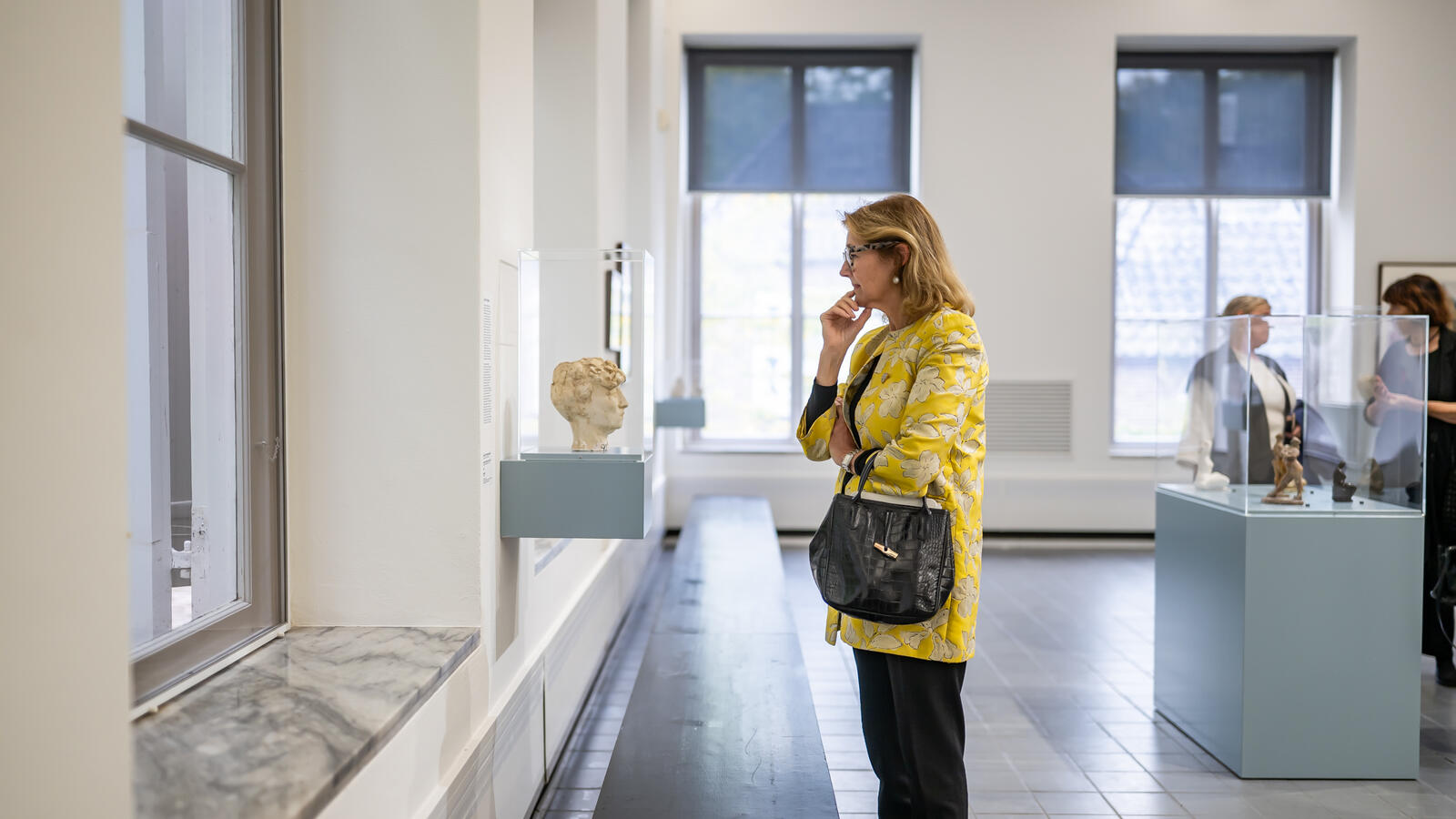
Sculptor Charlotte van Pallandt is known for her 'heads'. But what do the portraits she created say about the models themselves? Meet the people who inspired Van Pallandt and discover how model and maker influenced each other.
An extraordinary sculptor
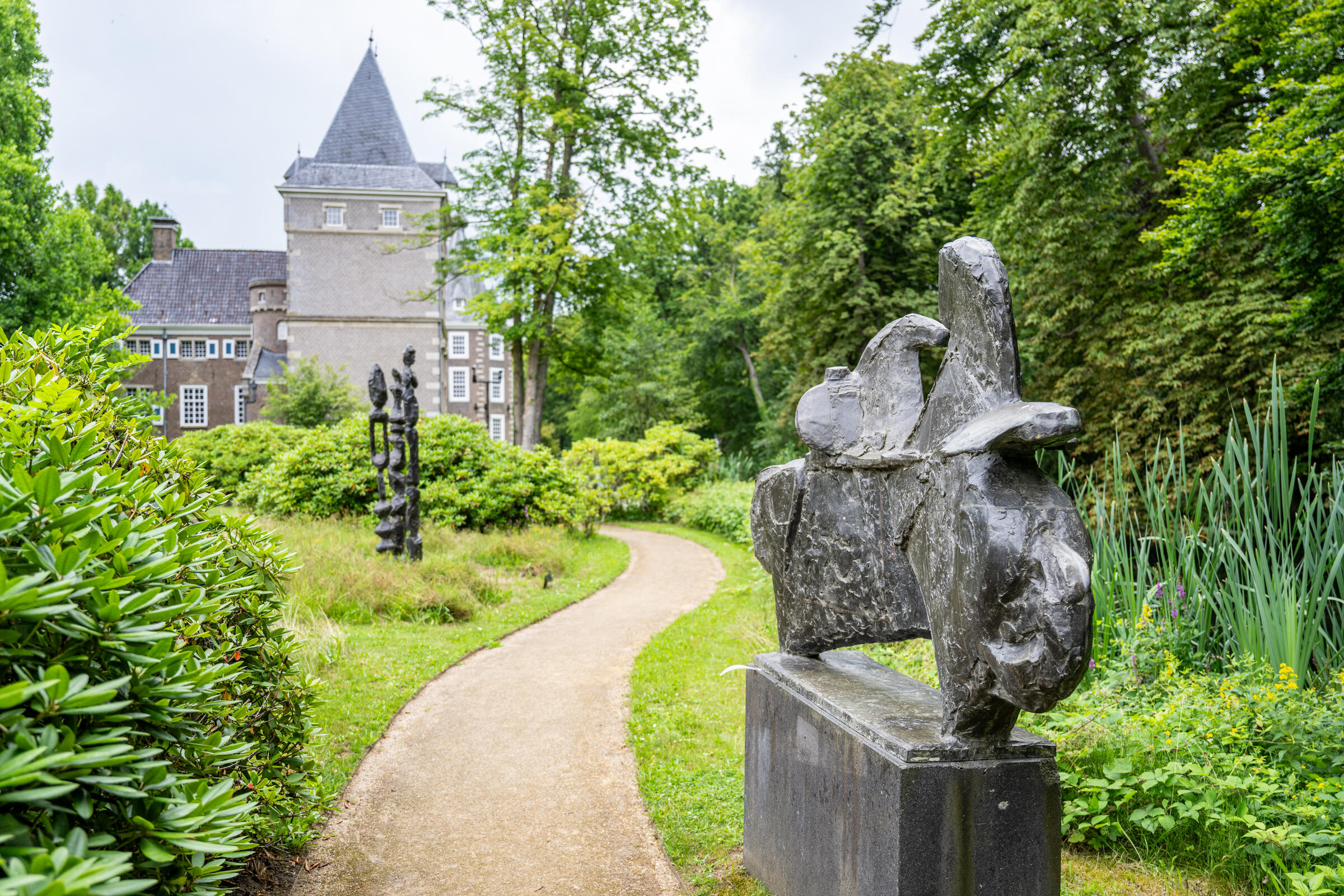
Charlotte van Pallandt (Amsterdam, NL, 1898 - 1997, Noordwijk, NL) is one of the most important sculptors in the Fundatie Collection, in which she is represented with 362 works. Van Pallandt is one of the first female Dutch artists to devote herself entirely to sculpture. She is trained in 1920s Paris, where she receives painting lessons from cubist-theorist André Lhote, and sculpture lessons from Akop Gurdjan and Charles Despiau, among others.
In 1937, she represents the Netherlands with a number of sculptures at the Paris World Fair. In 1939, she returned to the Netherlands for good and threw herself entirely into sculpture. Many exhibitions and commissions followed after World War II. Among the highlights of her oeuvre are her 'Wilhelmina monuments' in Rotterdam and The Hague. In Rotterdam, Van Pallandt makes a stone sculpture of the former queen of the Netherlands. She donated the three-metre-high plaster model of this to Dirk Hannema, the founder of Museum de Fundatie, with whom she is a close friend.
Heads and models
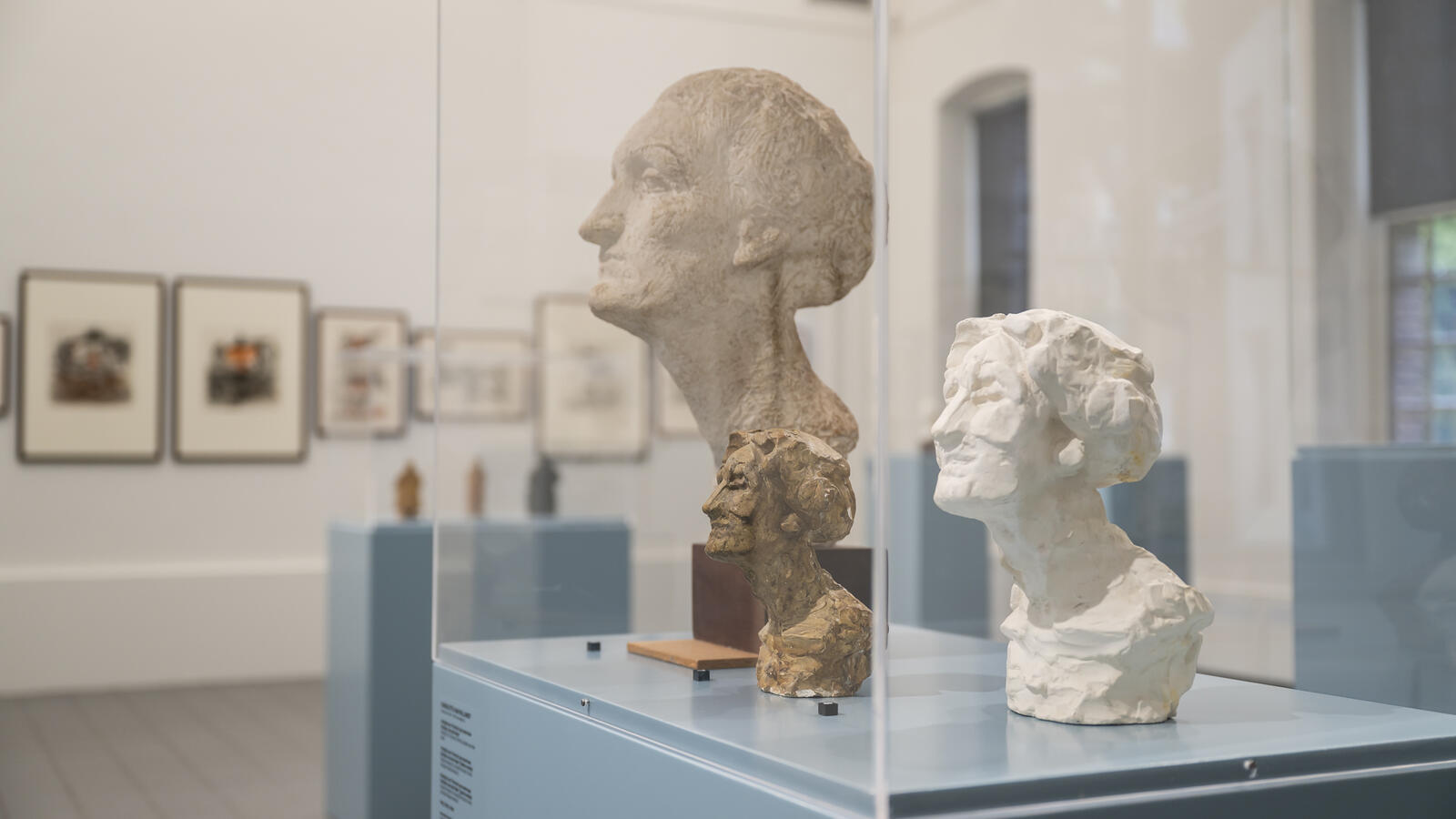
Over her entire career, Van Pallandt makes portraits. Her 'heads' reveal the character of the model. The commissioned portraits she makes are not always to the liking of those being portrayed: they often expect a realistic portrait, while Van Pallandt is concerned with 'the essence'. She also makes many images of family members, friends, colleagues and acquaintances. She works on some heads for years, creating a series with different versions of the same model.
An example is the series of portraits of one of her teachers, the sculptor Albert Termote. Truus Trompert, a well-known model at Amsterdam's Rijksakademie, met Van Pallandt during the Second World War. Van Pallandt also creates a whole series of works by Trompert, over 20 years. Speaking Heads shows how Van Pallandt managed to capture the essence of Trompert, Termote and various other people in her images. In doing so, the exhibition focuses not only on the images, but also on the life stories of the models.